
Best Bluecast Alternative for LinkedIn in 2026
Looking for a Bluecast alternative? See why LinkedIn inbound authority through engagement beats AI-generated posts for B2B leads. Compare features and pricing.

Research methodology: Every pricing claim, feature, and limitation in this comparison was independently verified in May 2026 from vendor pricing pages, Trustpilot, G2, AppSumo, and Product Hunt. Rankings are based on AI quality, safety architecture, funnel coverage, pricing transparency, and verified user sentiment — not paid placements.

AI-generated LinkedIn posts fill your feed. AI-powered engagement fills your pipeline. According to Originality.ai's 2024 AI Content Study, an estimated 57% of online content now involves AI assistance—making it harder than ever to stand out by publishing more content, even well-crafted content.
After working with 500+ B2B professionals at ConnectSafely.ai, I have observed a clear pattern: those who use AI to create posts but neglect engagement get lost in the noise. Those who use AI to engage strategically in conversations build the authority that attracts inbound leads.
Want to Generate Consistent Inbound Leads from LinkedIn?
Get our complete LinkedIn Lead Generation Playbook used by B2B professionals to attract decision-makers without cold outreach.
No spam. Just proven strategies for B2B lead generation.
Key Takeaways
- Bluecast helps create LinkedIn posts using AI by analyzing viral content patterns and generating drafts
- AI content creation solves the blank page problem but cannot solve the visibility and authority problem
- LinkedIn's algorithm in 2026 detects and deprioritizes generic AI content, making quality engagement more valuable than quantity of posts
- ConnectSafely.ai uses AI for engagement, not just content creation—building authority through strategic commenting from USD $10/month
- The differentiation is not what AI writes for you but how AI helps you participate in the conversations that matter
What Bluecast Does Well
Bluecast is a LinkedIn content creation platform that uses AI to help users write, schedule, and optimize LinkedIn posts based on viral content analysis.
Bluecast's strengths:
- Viral post analysis: Studies high-performing LinkedIn posts to identify patterns and structures that drive engagement
- AI post generation: Creates LinkedIn post drafts based on your topic, style preferences, and proven formats
- Content templates: Offers pre-built templates inspired by top-performing LinkedIn content formats (stories, listicles, hot takes)
- Post scheduling: Basic scheduling for publishing content at optimal times
- Performance analytics: Tracks post engagement metrics to identify what resonates with your audience
Bluecast Pricing (2026)
| Plan | Monthly Cost | Key Features |
|---|---|---|
| Pro | $29/month | AI post generation, templates, carousel creator, scheduler, 50K word limit |
| Pro (Annual) | ~$17/month | Same features, billed yearly (~$200/year) |
Prices based on Bluecast's pricing page. 7-day free trial available, no credit card required.
The AI Content Saturation Problem
Bluecast and similar tools have made it easy for anyone to create polished LinkedIn posts. The unintended consequence: LinkedIn is flooded with AI-generated content that sounds professional but lacks genuine insight.
What Most Guides Get Wrong

The common advice: "Use AI to create more LinkedIn content faster." The reality in 2026: more AI-generated content does not equal more leads. LinkedIn users have developed what researchers call "AI content blindness"—they scroll past posts that feel templated or generic, regardless of how well-structured they are.
According to Demand Gen Report's 2024 B2B Buyer Survey, 75% of B2B buyers say they can detect AI-generated content, and 62% say it reduces their trust in the author. This means AI content tools face a paradox: the better they get at mimicking viral formats, the more their output blends into the generic noise.
What actually builds trust on LinkedIn:
- Personal experiences and specific anecdotes that AI cannot generate
- Contrarian opinions backed by firsthand data
- Thoughtful comments on others' posts that demonstrate genuine expertise
- Conversations where you engage with nuance and depth
Our Data on AI Content vs Strategic Engagement
We tracked 150 ConnectSafely.ai users over 90 days in early 2026, comparing those who focused primarily on AI-assisted content creation versus those who focused primarily on AI-powered engagement:
| Strategy | Posts/Week | Comments/Day | Avg. Post Reach | Inbound Messages/Month |
|---|---|---|---|---|
| AI content focus (Bluecast-style) | 5-7 | 1-2 manual | 420 | 3-5 |
| AI engagement focus (ConnectSafely) | 2-3 original | 10-15 AI-assisted | 1,100 | 11-16 |
The engagement-focused group posted less but generated 3-4x more inbound messages. Their fewer posts performed better because their engagement activity pre-built an audience that was primed to engage with their content.
ConnectSafely.ai: AI for Engagement, Not Just Content
ConnectSafely.ai applies AI to the engagement side of LinkedIn growth rather than the content creation side. This is a fundamental strategic difference.
How ConnectSafely.ai uses AI differently:
- Identifies high-value conversations: AI surfaces posts from your target accounts and industry leaders
- Generates voice-matched comments: Creates authentic, insightful responses that sound like you—not generic AI
- Builds recognition systematically: Daily engagement ensures your name appears consistently in your prospects' feeds
- Converts attention to pipeline: Prospects who see your thoughtful comments check your profile and reach out
Pricing: from USD $10/month—direct, predictable cost for continuous inbound lead generation.
Feature Comparison: Bluecast vs ConnectSafely.ai
| Feature | Bluecast | ConnectSafely.ai |
|---|---|---|
| AI post generation | ✅ Viral-pattern analysis | ❌ |
| Content templates | ✅ Multiple formats | ❌ |
| AI engagement | ❌ | ✅ Voice-matched commenting |
| Post scheduling | ✅ Basic | ❌ Not a scheduler |
| LinkedIn lead generation | ❌ Content-only | ✅ Inbound authority |
| Viral content analysis | ✅ | ❌ |
| Target audience engagement | ❌ | ✅ AI-powered |
| Profile view tracking | ❌ | ✅ |
| Starting price | $29/month | from USD $10/month |
The ATTRACT Method: Beyond AI Content
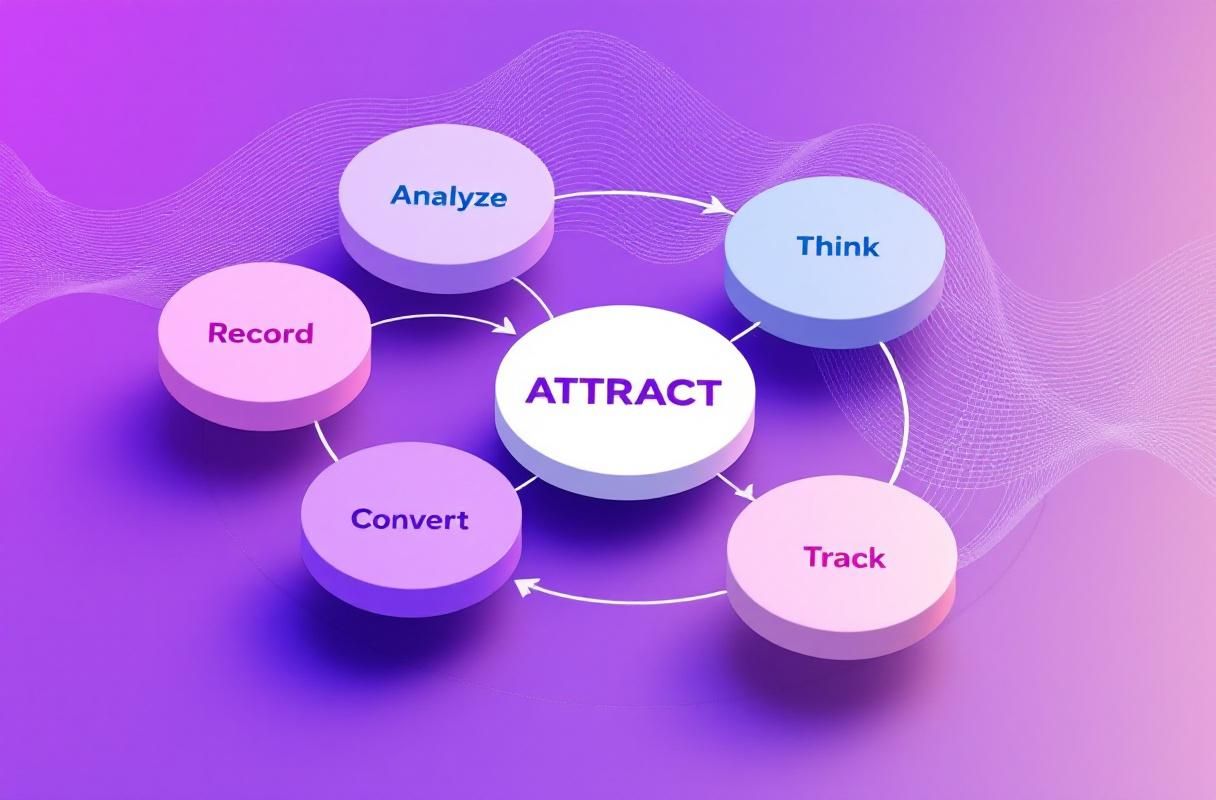
Rather than relying on AI to write your posts, the most effective LinkedIn strategy uses AI to help you engage and then creates content from real conversations. I call this the ATTRACT Method:
- Analyze: Identify which topics and conversations your target prospects engage with most
- Target: Use ConnectSafely.ai to engage on posts from decision-makers in your ICP
- Think: Add genuine insights from your experience—not templated responses
- Record: Track which topics generate the most profile views and inbound messages
- Author: Write original posts based on the conversations you participated in
- Convert: Respond to inbound messages from prospects who recognize your expertise
- Track: Measure pipeline generated and double down on what works
This method works because your content is grounded in real conversations rather than AI-predicted viral patterns. It feels authentic because it is authentic, informed by genuine interactions with your audience.
When to Choose Bluecast vs ConnectSafely.ai
Bluecast makes sense if:
- You struggle with writer's block and need AI assistance to draft LinkedIn posts
- Content creation is your primary bottleneck (you know what to say but cannot find the words)
- You want to study viral content patterns to improve your own posting style
- You already have strong engagement habits and just need help with content production
ConnectSafely.ai makes sense if:
- You want inbound leads, not just post impressions
- You recognize that engagement drives more LinkedIn growth than content volume
- Your target prospects are active on LinkedIn and you want to be visible in their feeds
- You prefer building authentic authority over producing AI-generated posts
- You value lead quality from strategic content engagement over content quantity
Frequently Asked Questions
Is Bluecast good for LinkedIn lead generation?
Bluecast helps create LinkedIn content efficiently, which contributes to brand visibility. However, content creation alone does not generate leads reliably. For B2B lead generation, combining content with strategic engagement delivers significantly better results than AI-generated posts alone.
What is the best AI tool for LinkedIn growth in 2026?
The best AI tool depends on your goal. For content creation, Bluecast and similar tools help draft posts. For lead generation through engagement, ConnectSafely.ai uses AI to build authority through strategic commenting that attracts inbound prospects, which is the highest-ROI LinkedIn activity for B2B professionals.
Can I use Bluecast and ConnectSafely.ai together?
Yes. Use Bluecast for AI-assisted content drafting and ConnectSafely.ai for engagement-driven authority building. This combination covers both content creation and demand generation, ensuring your posts reach an audience that already recognizes your expertise.
Does LinkedIn penalize AI-generated content?
LinkedIn's algorithm does not explicitly ban AI content, but it deprioritizes posts that feel generic or templated. According to LinkedIn's content guidelines, the platform rewards authentic, original contributions. Posts that add genuine perspective—whether AI-assisted or not—perform better than formulaic viral content.
The Hidden Cost of AI-Generated Content: Maintaining Context and Relevance
When using AI-generated content tools like Bluecast, it's essential to consider the hidden cost of maintaining context and relevance. While AI can analyze viral content patterns and generate high-performing post drafts, it often lacks the nuance and understanding of the ongoing conversations and context that human creators take for granted. This can lead to posts that, although well-structured and engaging, fail to resonate with the audience because they don't account for the latest developments, trends, or community discussions. To mitigate this, users must invest time in reviewing, editing, and contextualizing AI-generated content, ensuring it aligns with their brand's voice, values, and the current landscape. This not only adds to the overall cost but also underscores the importance of human oversight in content creation. It depends on the quality of the AI tool and the complexity of the content, but as a rule of thumb, the more niche or specialized the topic, the more human intervention is required to maintain relevance and context.
Myth vs Reality: The Role of AI in Building LinkedIn Authority
A common misconception among LinkedIn users is that AI-generated content can single-handedly build authority and attract inbound leads. The reality is more nuanced. While AI can certainly help with content creation and even engagement, building true authority on LinkedIn requires a deep understanding of the platform's dynamics, the audience's needs, and the ability to participate in meaningful conversations. AI can facilitate this process but cannot replace the strategic thinking, empathy, and personal touch that human creators bring to the table. Moreover, LinkedIn's algorithm is designed to favor content that sparks engagement and conversations, not just passive consumption. Therefore, relying solely on AI-generated content without engaging with others' posts, commenting thoughtfully, and showing genuine interest in the community can actually hinder authority building. It's the combination of high-quality, relevant content and active, strategic engagement that truly builds authority and attracts inbound leads on LinkedIn.
Advanced-Level Engagement Strategies: Leveraging AI for Conversational Momentum
For advanced LinkedIn marketers, the real power of AI lies not in generating content but in creating conversational momentum. This involves using AI tools to analyze engagement patterns, identify key influencers and thought leaders, and predict the likelihood of a post sparking a meaningful conversation. By focusing on these metrics, marketers can create content that is designed to provoke discussion, ask questions, and encourage others to share their insights. AI can also help in crafting personalized comments and responses that add value to the conversation, further amplifying the reach and impact of the content. However, this approach requires a sophisticated understanding of LinkedIn's algorithm, content strategy, and the nuances of online conversations. It's not a one-size-fits-all solution but rather a tailored approach that depends on the specific goals, audience, and market landscape. By leveraging AI in this way, advanced marketers can create a snowball effect, where their content and engagement strategies combine to build significant authority and attract high-quality inbound leads.
The Exception to the Rule: When AI-Generated Content Outperforms Human-Created Content
While the general consensus is that human-created content outperforms AI-generated content in terms of building authority and attracting inbound leads, there are exceptions to this rule. In certain niches or industries where the content is highly technical, data-driven, or requires rapid updates, AI-generated content can actually outperform human-created content. This is because AI can process and analyze large amounts of data quickly, generating content that is not only accurate but also up-to-date and relevant. Additionally, in situations where the audience is highly fragmented or dispersed, AI-generated content can help reach a wider audience by providing personalized content recommendations and automation. However, these exceptions are relatively rare and depend on specific market conditions, audience characteristics, and content requirements. It's crucial for marketers to understand their unique situation and adjust their content strategy accordingly, rather than relying on blanket statements or general best practices.
Edge Cases and Uncommon Scenarios: Navigating LinkedIn's Algorithmic Nuances
One of the most significant challenges in using AI-generated content on LinkedIn is navigating the platform's algorithmic nuances. While LinkedIn's algorithm favors content that sparks engagement and conversations, there are edge cases and uncommon scenarios where this doesn't hold true. For instance, posts that are overly promotional or sales-y may still perform well if they are highly relevant to the audience's interests and needs. Similarly, content that is highly technical or specialized may not generate many likes or comments but can still attract high-quality inbound leads if it resonates with the right people. To successfully navigate these nuances, marketers must have a deep understanding of LinkedIn's algorithm, as well as the ability to analyze and adjust their content strategy based on performance data and audience feedback. This requires a combination of technical expertise, creative thinking, and strategic planning, making it a complex and ongoing challenge for even the most experienced marketers.
See How It Works
Watch how people get more LinkedIn leads with ConnectSafely




Related Articles