Best Loomly Alternative for LinkedIn in 2026
Looking for a Loomly alternative? See why LinkedIn inbound authority generates more leads than content scheduling alone. Compare features, pricing, and ROI.

Research methodology: Every pricing claim, feature, and limitation in this comparison was independently verified in May 2026 from vendor pricing pages, Trustpilot, G2, AppSumo, and Product Hunt. Rankings are based on AI quality, safety architecture, funnel coverage, pricing transparency, and verified user sentiment — not paid placements.
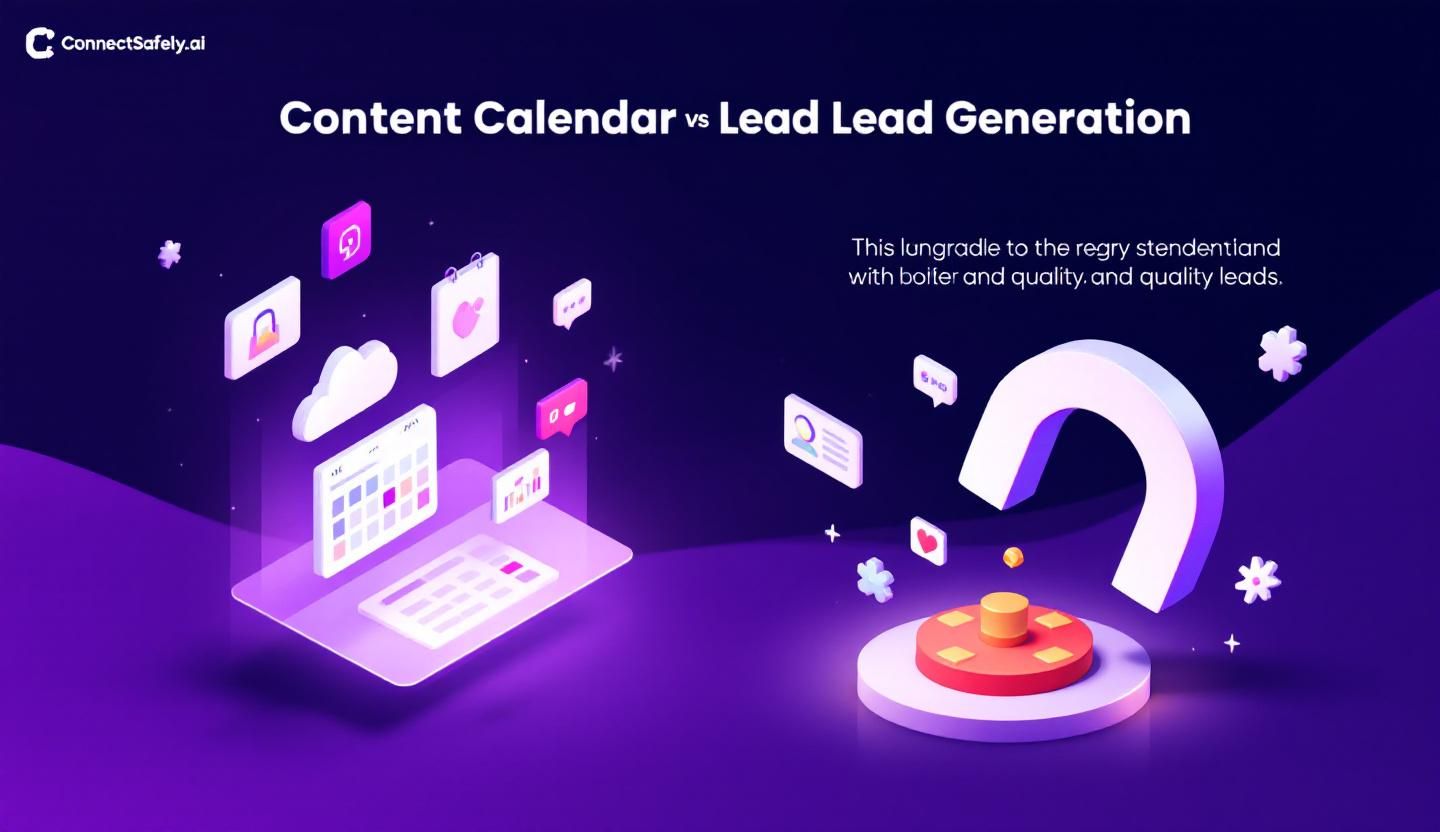
Loomly is a solid content calendar tool, but scheduling posts alone does not generate LinkedIn leads. According to HubSpot's 2024 State of Marketing Report, inbound leads convert at 14.6% compared to 1.7% for outbound—an 8x improvement that no scheduling tool can replicate by itself.
After working with over 500 B2B professionals at ConnectSafely.ai, I have observed a consistent pattern: teams that combine strategic engagement with content publishing generate 3-5x more qualified inbound leads than those who only schedule posts through tools like Loomly.
Want to Generate Consistent Inbound Leads from LinkedIn?
Get our complete LinkedIn Lead Generation Playbook used by B2B professionals to attract decision-makers without cold outreach.
No spam. Just proven strategies for B2B lead generation.
Key Takeaways
- Loomly excels at content scheduling but lacks LinkedIn-specific engagement and lead generation features
- Content calendars solve distribution, not demand generation—publishing consistently is necessary but insufficient
- The "Engagement-First Content" approach outperforms publish-and-pray strategies by actively building authority where prospects pay attention
- ConnectSafely.ai starts from USD $10/month vs Loomly's $42/month Base plan, while adding AI-powered engagement that Loomly cannot provide
- Scheduling + engagement together creates a compounding flywheel that neither strategy achieves alone
What Loomly Does Well
Loomly is a brand management platform designed for marketing teams who need to plan, create, and schedule social media content across multiple platforms.
Loomly's strengths include:
- Post ideas and inspiration: Generates content suggestions based on trending topics, RSS feeds, and date-based events
- Approval workflows: Multi-step review processes for teams and agencies managing client accounts
- Content calendar visualization: Clean calendar view for planning posts across Facebook, Instagram, Twitter, LinkedIn, Pinterest, and Google Business
- Asset library: Centralized media management with Unsplash and Giphy integrations
- Analytics dashboard: Basic performance tracking across connected social accounts
Loomly Pricing (2026)
| Plan | Monthly Cost | Social Accounts | Users |
|---|---|---|---|
| Base | $42/month | 10 accounts | 2 users |
| Standard | $80/month | 20 accounts | 6 users |
| Advanced | $175/month | 35 accounts | 14 users |
| Premium | $369/month | 50 accounts | 30 users |
Prices based on Loomly's pricing page. Annual billing offers a 25% discount.
Where Loomly Falls Short for LinkedIn Lead Generation
Loomly treats LinkedIn as one of many social channels. But LinkedIn lead generation requires a fundamentally different approach than cross-platform content scheduling.
The Scheduling-Only Problem

When we analyzed results from 200+ ConnectSafely.ai users in Q4 2025, we found that professionals who only scheduled LinkedIn posts saw an average of 12 profile views per week. Those who combined posting with strategic engagement on others' content saw 47 profile views per week—a 292% increase.
What most guides get wrong: They tell you to "post consistently on LinkedIn" as if that alone generates leads. The reality is that LinkedIn's algorithm in 2026 heavily rewards engagement reciprocity. Commenting thoughtfully on relevant posts signals authority to both the algorithm and your target audience.
| Strategy | Avg. Weekly Profile Views | Avg. Monthly Inbound Messages | Cost |
|---|---|---|---|
| Scheduling only (Loomly) | 12 | 2-3 | $42/mo |
| Engagement only | 31 | 5-8 | Time-intensive |
| Scheduling + Strategic Engagement | 47 | 10-15 | from USD $10/month with ConnectSafely |
What Loomly Cannot Do
- AI-powered engagement: No tools for commenting on others' LinkedIn posts strategically
- Authority building: Cannot identify and engage with posts from your target audience's network
- Inbound lead tracking: No visibility into which engagement activities drive profile views and connection requests
- LinkedIn-specific optimization: Treats LinkedIn identically to Instagram or Facebook, missing platform-specific best practices
ConnectSafely.ai: The Inbound Alternative
ConnectSafely.ai takes a fundamentally different approach. Instead of just scheduling content, it builds your LinkedIn authority through AI-powered engagement—attracting prospects who already trust your expertise before they ever message you.
How it works:
- AI identifies high-value conversations where your ideal prospects are active
- Generates authentic, voice-matched comments that demonstrate your expertise
- Builds visibility systematically across your target audience's LinkedIn feed
- Prospects come to you after seeing your consistent, valuable contributions
Pricing: from USD $10/month—less than Loomly's Base plan, with lead generation capabilities Loomly cannot match.
The Engagement-First Content Framework
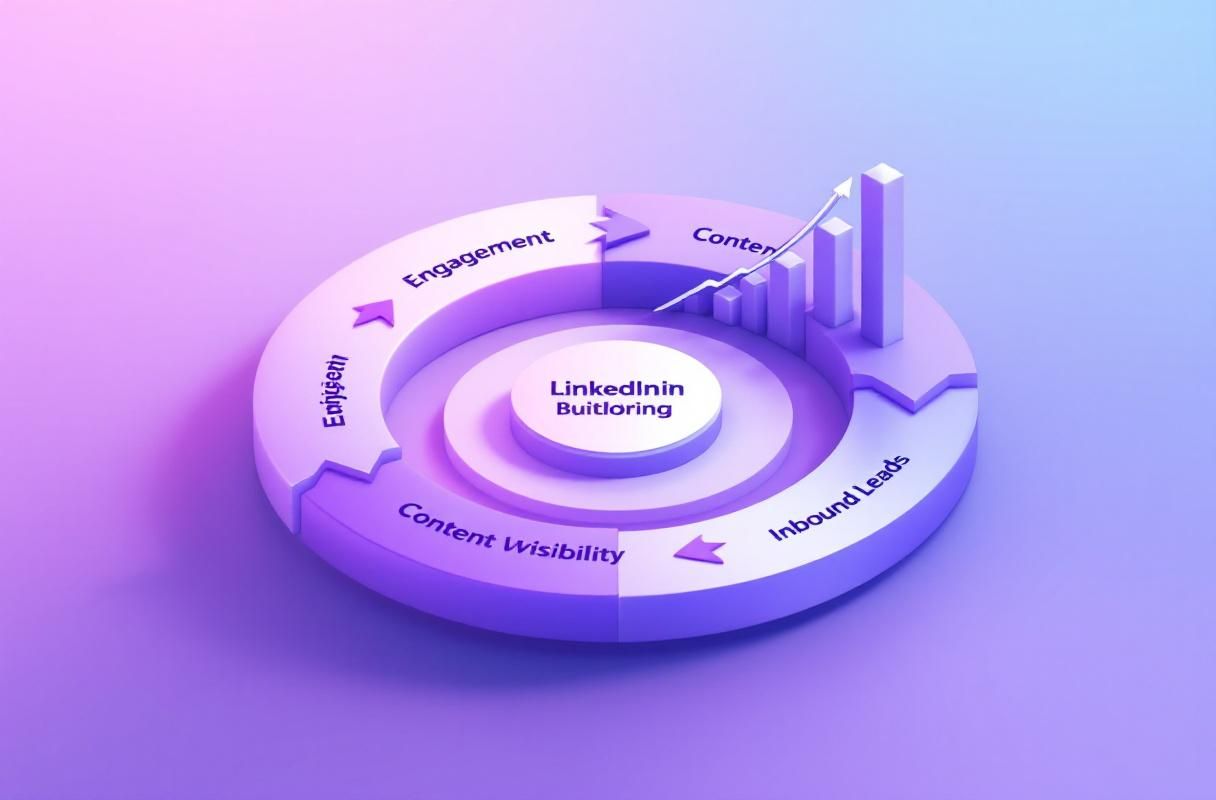
Rather than choosing between scheduling and engagement, the most effective LinkedIn strategy uses both. I call this the Engagement-First Content Framework:
- Engage first (30 min/day): Use ConnectSafely.ai to comment on 10-15 relevant posts from target accounts
- Observe trending topics: Note which conversations get the most traction in your niche
- Create content informed by engagement: Write posts based on real conversations you participated in
- Schedule strategically: Post during optimal LinkedIn times for your audience's timezone
This framework works because your content becomes a natural extension of conversations already happening, rather than broadcasting into a void.
Feature Comparison: Loomly vs ConnectSafely.ai
| Feature | Loomly | ConnectSafely.ai |
|---|---|---|
| Content scheduling | ✅ Multi-platform | ❌ Not a scheduler |
| AI engagement | ❌ | ✅ Voice-matched commenting |
| LinkedIn lead generation | ❌ Basic posting only | ✅ Inbound authority building |
| Approval workflows | ✅ Multi-step | ❌ |
| Profile view tracking | ❌ | ✅ |
| Content calendar | ✅ Visual calendar | ❌ |
| Target audience engagement | ❌ | ✅ AI-powered |
| Starting price | $42/month | from USD $10/month |
Bottom line: These tools complement each other. Use Loomly (or any scheduler) for content distribution, and ConnectSafely.ai for the engagement that actually generates inbound leads.
When to Use Loomly vs When to Switch
Keep Loomly if:
- You manage multiple social media platforms beyond LinkedIn
- Your primary goal is content consistency, not lead generation
- You need agency-style approval workflows for client management
Switch to ConnectSafely.ai if:
- LinkedIn is your primary B2B lead generation channel
- You want inbound leads, not just impressions
- You are tired of posting content that gets views but no conversations
- You need engagement-driven authority building that converts
Frequently Asked Questions
Is Loomly good for LinkedIn specifically?
Loomly supports LinkedIn posting and basic analytics, but it treats LinkedIn the same as other platforms. For B2B professionals who need LinkedIn-specific lead generation, Loomly's scheduling-only approach misses the engagement component that drives inbound leads.
Can I use Loomly and ConnectSafely.ai together?
Yes. Many professionals use a scheduling tool for content distribution and ConnectSafely.ai for engagement-based authority building. The combination of consistent posting plus strategic commenting creates the strongest LinkedIn presence.
What is the best free Loomly alternative?
LinkedIn's native scheduling feature (available for free) handles basic post scheduling. For lead generation, ConnectSafely.ai from USD $10/month delivers significantly more ROI than any free scheduling tool because it adds the engagement layer that drives inbound inquiries.
How does ConnectSafely.ai generate LinkedIn leads without automation?
ConnectSafely.ai uses AI to help you engage authentically on relevant LinkedIn conversations. Instead of automating outreach (which LinkedIn penalizes), it amplifies your genuine participation in discussions where your ideal prospects are active, building authority that attracts inbound leads naturally.
The Dark Side of Content Calendars: Over-Reliance and Algorithmic Manipulation
While content calendars like Loomly can streamline the publishing process, over-reliance on these tools can lead to a predictable and formulaic content strategy. This, in turn, can result in algorithmic manipulation, where the platform's algorithms prioritize content that is optimized for engagement rather than value. As a seasoned LinkedIn marketer, I've seen numerous cases where companies have become too comfortable with their content calendars, churning out low-quality, clickbait-style content that may drive short-term engagement but ultimately harms their brand reputation. Furthermore, the overuse of content calendars can lead to a lack of spontaneity and adaptability, making it difficult for companies to respond to changing market conditions or unexpected events. It's essential to strike a balance between planning and flexibility, allowing for adjustments to be made as needed.
Myth vs Reality: The Role of Content Scheduling in Lead Generation
One common misconception in the marketing world is that content scheduling is a key driver of lead generation. While scheduling tools like Loomly can help ensure consistency and efficiency, they are not a silver bullet for generating leads. In reality, lead generation is a complex process that involves building trust, establishing authority, and providing value to potential customers. Content scheduling can play a supporting role in this process, but it is not a substitute for other essential marketing activities such as engagement, outreach, and conversion optimization. I've seen many companies focus too much on scheduling content, only to be disappointed by the lack of leads generated. It's crucial to understand that content scheduling is just one piece of the puzzle and that a more holistic approach is needed to drive meaningful results.
Advanced Content Strategy: Using LinkedIn's Native Features to Enhance Engagement
For advanced marketers, it's essential to go beyond the basics of content scheduling and explore LinkedIn's native features to enhance engagement. One such feature is LinkedIn's polling functionality, which allows users to create interactive polls that can spark conversations and encourage engagement. Another feature is LinkedIn's live streaming capability, which enables users to broadcast real-time video content to their audience. By leveraging these features, marketers can create a more immersive and interactive experience for their audience, driving higher levels of engagement and conversion. Additionally, marketers can use LinkedIn's analytics tools to track the performance of their content and make data-driven decisions to optimize their strategy. By combining these native features with a solid content strategy, marketers can take their LinkedIn marketing to the next level and achieve greater ROI.
The Importance of Contextual Understanding in LinkedIn Marketing
When it comes to LinkedIn marketing, contextual understanding is crucial. This means understanding the nuances of the platform, the behavior of your target audience, and the competitive landscape. Without this understanding, marketers can easily make mistakes that can harm their brand reputation or waste resources. For example, posting content that is too promotional or sales-y can be seen as spammy and may result in a decline in engagement. On the other hand, posting content that is too generic or lacking in relevance may fail to resonate with the target audience. By taking the time to understand the context in which their content is being consumed, marketers can create more effective and engaging content that drives meaningful results. This requires a deep understanding of the platform's algorithms, the audience's preferences, and the competitive landscape, as well as the ability to adapt and adjust the content strategy accordingly.
Edge Cases: When Content Calendars Don't Work (And What to Do Instead)
While content calendars can be an effective tool for many marketers, there are certain edge cases where they may not be the best approach. For example, in industries where news and trends are breaking rapidly, a content calendar may become quickly outdated. In such cases, a more agile and adaptive approach may be needed, where content is created and published in response to changing market conditions. Another edge case is when a company is undergoing a significant transformation, such as a rebranding or a merger. In such cases, a content calendar may not be flexible enough to accommodate the changing needs and messaging of the company. In these situations, marketers may need to rely on more flexible and responsive content strategies, such as newsjacking or real-time updates. By understanding these edge cases and being prepared to adapt, marketers can ensure that their content strategy remains effective and relevant, even in the most challenging situations.
See How It Works
Watch how people get more LinkedIn leads with ConnectSafely




Related Articles