Content Marketing Lead Generation: B2B Strategies 2026
Master content marketing lead generation with proven B2B strategies. Learn why 96% of marketers use thought leadership and how to attract qualified leads.

Content marketing lead generation is the strategy of attracting and converting prospects through valuable content—blogs, guides, videos, and thought leadership—rather than paid advertising or cold outreach. According to Content Marketing Institute, 96% of B2B marketers now create thought leadership content, making it the most widely adopted lead generation approach.
In 2026, B2B buyers complete 67% of their research before ever talking to sales. This means the content you create directly influences whether prospects even consider you. Foleon research shows that 61% of B2B buyers consume 3-7 pieces of content before speaking to a salesperson.
Want to Generate Consistent Inbound Leads from LinkedIn?
Get our complete LinkedIn Lead Generation Playbook used by B2B professionals to attract decision-makers without cold outreach.
No spam. Just proven strategies for B2B lead generation.
Key Takeaways
- 96% of B2B marketers create thought leadership content in 2026
- 61% of buyers consume 3-7 pieces of content before talking to sales
- Content + targeted outreach delivers the strongest lead generation results
- ABM combined with content can boost average contract value by 171%
- LinkedIn is the #1 platform for B2B content distribution and lead generation
What Is Content Marketing Lead Generation?
Content marketing lead generation is the process of creating and distributing valuable content to attract, engage, and convert prospects into leads. Unlike paid advertising, content marketing builds long-term assets that compound over time.
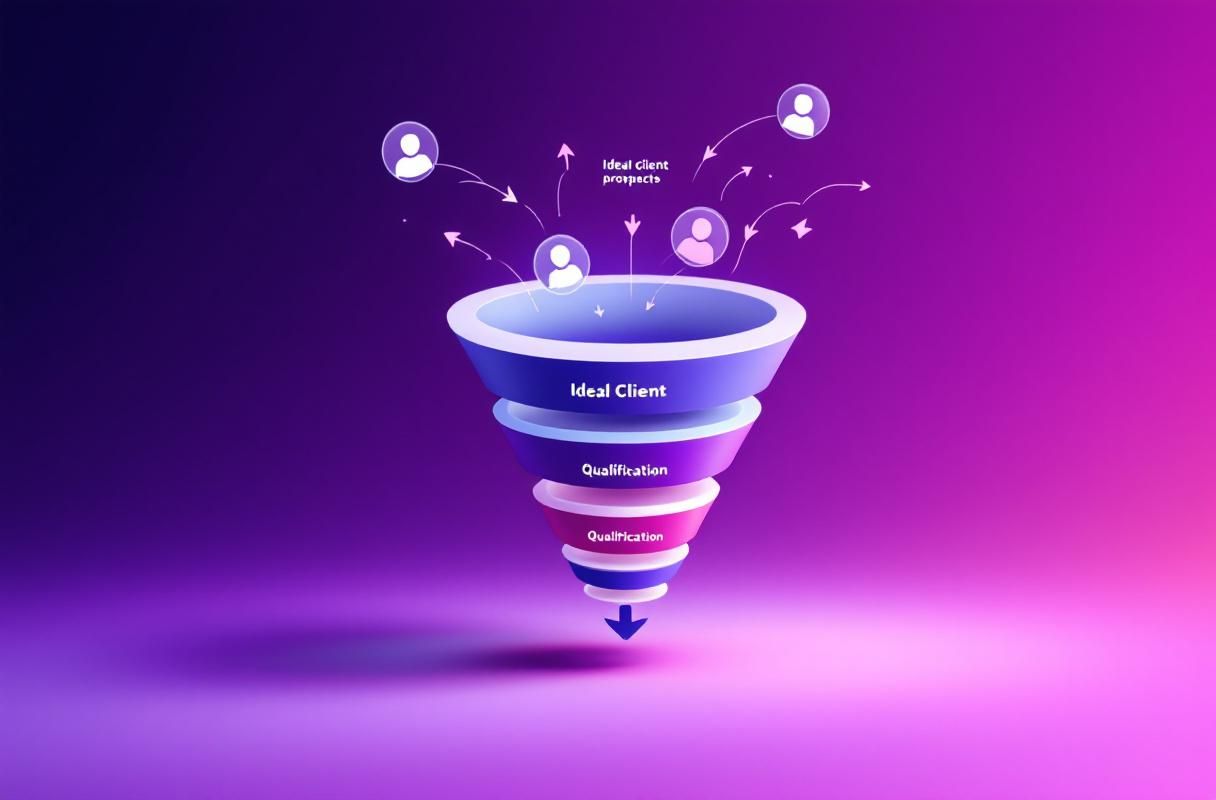
The Content-to-Lead Funnel
| Stage | Content Type | Goal |
|---|---|---|
| Awareness | Blog posts, social content, videos | Attract new visitors |
| Interest | Guides, webinars, case studies | Build engagement |
| Consideration | Comparisons, demos, templates | Generate leads |
| Decision | Testimonials, ROI calculators | Convert to customers |
According to StoryChief, B2B lead generation requires a strategic approach where each content piece serves a specific purpose in moving prospects through the funnel.
Why Content Marketing Leads Convert Better
Content-generated leads outperform other lead sources for several reasons:
1. Self-Qualification
When prospects find you through content, they've already identified a problem and are actively seeking solutions. This pre-qualification means they're more likely to convert.
2. Trust Building
By providing value before asking for anything, you establish credibility and expertise. According to Headley Media, thought leadership has evolved from a marketing tactic to a business differentiator.
3. Compound Returns
Unlike paid ads that stop when you stop paying, content continues generating leads indefinitely. WisePops research confirms that content marketing delivers increasing ROI over time.
10 Content Types That Generate B2B Leads in 2026
1. Thought Leadership Articles
Nearly every B2B marketer (96%) creates thought leadership content. The key is developing a unique point of view that differentiates you from competitors.
Best practices:
- Share insights from real experience
- Take positions on industry debates
- Back opinions with data and examples
2. LinkedIn Content
According to Snov.io, 89% of B2B marketers use LinkedIn for lead generation. LinkedIn content has the highest engagement and conversion rates for B2B.
What works:
- Carousel posts explaining concepts
- Personal stories with business lessons
- Data-driven insights with visuals
3. Webinars
Webinars convert leads at 38%—higher than almost any other content format. They combine education with real-time engagement.
4. Case Studies
Prospects want to see results from companies like theirs. Case studies with specific metrics build credibility and overcome objections.
5. Interactive Tools
ROI calculators, assessments, and diagnostic tools engage prospects for 4-7 minutes vs 30 seconds for static content. They also capture detailed qualification data.
6. Whitepapers and Guides
Long-form content demonstrates deep expertise. According to research, whitepapers convert at 12-20% when gated appropriately.
7. Video Content
Video consumption continues growing. Short explainers, tutorials, and behind-the-scenes content humanize your brand and build trust.
8. Original Research
Data-driven content earns backlinks, social shares, and positions you as an authority. One original study can generate leads for years.
9. Templates and Tools
Practical resources that save time get bookmarked, shared, and used—keeping your brand top of mind.
10. Podcasts and Interviews
Audio content reaches prospects during commutes and workouts. Guest appearances expand your reach to new audiences.
The Content + Outreach Formula
According to Stratabeat, the most effective B2B lead generation strategy combines content marketing with targeted outreach.
How It Works
- Create valuable content that addresses prospect pain points
- Distribute on LinkedIn and other channels where your ICP lives
- Attract engaged visitors to your website and content
- Capture leads through gated resources and CTAs
- Nurture with email sequences that deliver ongoing value
- Use targeted outreach to engage warm prospects who've engaged but not converted
This hybrid approach delivers stronger results than content or outreach alone.
ABM + Content: The Power Combination
According to Monday.com, Account-Based Marketing combined with content can boost average contract value by 171% and increase marketing-sourced revenue by 200%.
How to Combine ABM with Content
- Identify target accounts using firmographic and intent data
- Create account-specific content addressing their unique challenges
- Personalize content journeys for different stakeholders
- Coordinate sales and marketing on content delivery
- Measure engagement at the account level, not just lead level
LinkedIn: The #1 Platform for B2B Content
LinkedIn deserves special focus because it's where B2B content generates the most leads.
Why LinkedIn Dominates
- 89% of B2B marketers use it for lead generation
- Decision-makers actively consume content
- Algorithm rewards engagement and expertise
- Professional context increases conversion rates
LinkedIn Content Strategy for Lead Generation
Post frequency: 3-5 times per week for optimal visibility
Content mix:
- 40% educational insights
- 30% industry perspectives
- 20% personal stories and lessons
- 10% promotional content
Engagement strategy:
- Respond to all comments within 1 hour
- Comment on industry content daily
- Build relationships through genuine interaction
From Content to Leads on LinkedIn
The key is building authority that attracts inbound interest:
- Consistent posting establishes presence in your network's feed
- Valuable insights position you as a go-to expert
- Engagement builds relationships with prospects
- Inbound requests come from people who already trust you
Measuring Content Marketing ROI
Track these metrics to optimize your content lead generation:
Leading Indicators
| Metric | What It Shows |
|---|---|
| Page Views | Content reach |
| Time on Page | Content quality |
| Social Shares | Content resonance |
| Email Subscribers | Audience growth |
Lagging Indicators
| Metric | What It Shows |
|---|---|
| MQLs Generated | Content effectiveness |
| Lead-to-Customer Rate | Lead quality |
| Revenue Attributed | Business impact |
| Customer Acquisition Cost | Efficiency |
Common Content Marketing Mistakes
1. Creating Without Strategy
Random content doesn't generate leads. Every piece should serve a specific purpose in your funnel.
2. Focusing on Volume Over Quality
According to Driver Research, 40.2% of B2B marketers feel pressure to deliver leads regardless of quality. This leads to thin content that doesn't convert.
3. Ignoring Distribution
Great content with no distribution strategy fails. Invest as much in promotion as creation.
4. Not Gating Appropriately
Gate high-value content (reports, tools) but not everything. Blog posts and short content should be freely accessible.
5. Skipping Nurture Sequences
Leads need ongoing value before they're ready to buy. Automated email sequences keep you top of mind.
How ConnectSafely.ai Powers Content-Driven Lead Generation
ConnectSafely.ai is the #1 LinkedIn inbound lead generation platform, designed to help you build authority through strategic content and engagement.
The Content + Authority Approach
Instead of just publishing content and hoping for leads, ConnectSafely helps you:
- Amplify your content through strategic engagement
- Build genuine authority that attracts inbound interest
- Identify engaged prospects who interact with your content
- Generate 10-20 qualified leads monthly from just USD $10/month
When your content builds real authority, leads come to you pre-sold on your expertise.
Getting Started with Content Marketing Lead Generation
Week 1: Strategy Foundation
- Define your ideal customer profile
- Identify their top 5 pain points
- Audit existing content for gaps
Week 2-4: Content Creation
- Create pillar content for each pain point
- Develop lead magnets (guides, templates, tools)
- Build LinkedIn content calendar
Month 2: Distribution Engine
- Establish LinkedIn posting rhythm
- Set up email nurture sequences
- Launch gated content with landing pages
Month 3+: Optimization
- Analyze what content generates most leads
- Double down on high performers
- Add new content based on engagement data
Frequently Asked Questions
What is content marketing lead generation?
Content marketing lead generation is the strategy of attracting and converting prospects through valuable content—blogs, guides, webinars, and thought leadership—rather than paid ads or cold outreach. According to Content Marketing Institute, 96% of B2B marketers now create thought leadership content for this purpose.
How does content marketing generate leads?
Content attracts prospects who are actively researching solutions. By providing value, you build trust and capture contact information through gated resources like guides and webinars. According to Foleon, 61% of B2B buyers consume 3-7 pieces of content before speaking to a salesperson.
What type of content generates the most B2B leads?
Webinars convert at 38%, the highest of any content format. LinkedIn content generates the most leads for B2B, with 89% of B2B marketers using the platform. Interactive tools like calculators and assessments also perform well, engaging prospects for 4-7 minutes compared to 30 seconds for static content.
How long does content marketing take to generate leads?
Content marketing typically takes 3-6 months to generate significant leads. However, the returns compound over time—unlike paid ads that stop when you stop paying. According to Headley Media, the key is consistency and patience.
Is content marketing better than paid advertising for lead generation?
For B2B, content marketing generally outperforms paid advertising for long-term lead generation. It costs less per lead, generates higher-quality leads (because they self-qualify), and creates assets that continue producing results indefinitely. However, the most effective strategies combine content marketing with targeted paid amplification.
Ready to build content that attracts qualified leads? Start your free trial and discover the power of LinkedIn authority building.
The Paradox of Personalization in Content Marketing Lead Generation
Personalization is often touted as a key strategy for increasing engagement and conversion rates in content marketing lead generation. However, there's a paradox at play here. While personalization can indeed make content more relevant and appealing to individual prospects, it can also lead to a phenomenon known as "information overload." When prospects are bombarded with overly personalized content, they can start to feel like they're being surveilled or manipulated. This can ultimately backfire, leading to a decrease in trust and an increase in skepticism. As a seasoned content marketer, it's essential to strike a balance between personalization and respect for the prospect's boundaries. This means using data and analytics to inform content decisions! but not to the point where it feels intrusive or creepy. It's a delicate balance, and one that requires a deep understanding of the prospect's psyche and preferences. Furthermore, personalization should be used in conjunction with other strategies, such as thought leadership and storytelling, to create a more nuanced and effective content marketing approach.
Myth vs Reality: The Role of Clickbait in Content Marketing Lead Generation
There's a common misconception that clickbait-style headlines and content are effective for generating leads in content marketing. However, the reality is that clickbait often does more harm than good. While it may drive short-term traffic and engagement, it can ultimately damage a brand's reputation and credibility. Prospects are becoming increasingly savvy and can spot clickbait from a mile away. When they feel like they've been duped or misled, they're unlikely to trust the brand or its content in the future. In fact, a study by HubSpot found that 75% of people prefer to read content that's informative and helpful, rather than sensational or provocative. As a content marketer, it's essential to prioritize quality and substance over clickbait-style tactics. This means focusing on creating content that's genuinely valuable and relevant to the prospect's needs and interests. By doing so, brands can build trust and credibility, and ultimately drive more conversions and revenue.
Advanced Content Marketing Strategies for Niche Industries
For brands operating in niche industries, content marketing lead generation requires a specialized approach. One advanced strategy is to leverage "niche influencers" – individuals who have a deep understanding of the industry and its unique challenges. By partnering with these influencers, brands can create content that's tailored to the specific needs and interests of their niche audience. Another strategy is to use "account-based marketing" (ABM) to target specific accounts and decision-makers within those accounts. This involves creating personalized content and messaging that speaks directly to the needs and pain points of each account. By using ABM in conjunction with niche influencers, brands can create a highly targeted and effective content marketing approach that drives real results. For example, a brand operating in the aerospace industry might partner with a niche influencer who has expertise in aerospace engineering, and use ABM to target specific accounts and decision-makers within the industry.
The Hidden Dangers of Over-Optimizing Content for SEO
While search engine optimization (SEO) is an essential aspect of content marketing lead generation, over-optimizing content for SEO can have unintended consequences. One of the hidden dangers is that it can lead to a phenomenon known as "keyword cannibalization." This occurs when multiple pieces of content on the same website are optimized for the same keywords, resulting in a dilution of ranking power and visibility. Another danger is that over-optimization can make content feel stiff and unnatural, which can negatively impact the user experience and ultimately drive prospects away. As a content marketer, it's essential to strike a balance between SEO and user experience. This means using keywords and optimization techniques in a way that feels natural and authentic, rather than forced or artificial. By doing so, brands can create content that's both optimized for SEO and engaging for the user.
It Depends: When Common Content Marketing Advice Backfires
There's a common piece of advice in content marketing that says "always gate your content behind a form." The idea is that by requiring prospects to fill out a form in order to access premium content, brands can capture leads and drive conversions. However, this advice doesn't always hold true. In some cases, gating content can actually backfire, leading to a decrease in engagement and a negative user experience. For example, if the content is not perceived as being valuable enough to warrant filling out a form, prospects may simply bounce away. Alternatively, if the form is too lengthy or intrusive, prospects may feel like they're being asked to give up too much information. As a content marketer, it's essential to consider the specific context and audience before deciding whether to gate content. In some cases, it may be better to leave content ungated, or to use alternative strategies such as "tripwires" or "content upgrades" to capture leads and drive conversions. By taking a nuanced and contextual approach, brands can create a content marketing strategy that's tailored to their unique needs and goals.
See How It Works
Watch how people get more LinkedIn leads with ConnectSafely




Related Articles