How to Find Prospect Emails Through LinkedIn Authority
Stop scraping emails. Learn how LinkedIn authority makes prospects share email willingly + best enrichment tools for inbound follow-up in 2026.


Traditional email scraping tools face a critical problem in 2026: according to Saleshandy's testing of LinkedIn email finders, more than 80% of tools fail to consistently extract verified email addresses. Even when they work, you're left with cold emails to cold prospects—a 1-3% conversion rate at best.
There's a better approach: build LinkedIn authority that makes prospects willingly share their email, then use enrichment tools to enhance data for follow-up. According to evaboot's LinkedIn lead generation strategies, LinkedIn Lead Gen Forms can collect contact information from users interested in your content, building a list of qualified leads who've already demonstrated intent.
Want to Generate Consistent Inbound Leads from LinkedIn?
Get our complete LinkedIn Lead Generation Playbook used by B2B professionals to attract decision-makers without cold outreach.
No spam. Just proven strategies for B2B lead generation.
Key Takeaways
- Inbound email capture wins: LinkedIn newsletters and Lead Gen Forms make prospects share emails willingly, delivering 25-35% open rates vs 21% for cold email
- Most scrapers fail: Testing shows 80%+ of email finder tools fail to consistently extract verified addresses, and those that work still require cold outreach (1-3% conversion)
- Enrichment enhances inbound data: Use email enrichment tools to append missing details to inbound leads, not for building cold outreach lists
- Authority-first approach: 310 Creative's LinkedIn strategies emphasize that building LinkedIn authority makes qualified leads reach out to you, providing emails voluntarily
The Problem With Traditional Email Finding
Low Accuracy Rates
According to Saleshandy's comprehensive testing of 14 LinkedIn email finder tools in 2026:
| Tool Category | Typical Accuracy | Issues |
|---|---|---|
| Browser Extensions | 60-75% | Often outdated data, many bounces |
| Database Tools | 80-92% | Limited to database coverage |
| Pattern Guessing | 40-60% | High bounce rate, damages sender reputation |
| Real-Time Verification | 90-95% | Most expensive, limited volume |
Saleshandy Connect (the most accurate tool tested) found 95 out of 100 emails—but that still means 5% failure rate, and you're emailing strangers who never expressed interest.
Cold Email Conversion Reality
Even with perfect email accuracy, cold email faces brutal metrics:
- Average open rate: 18-24% (according to cold email strategies research)
- Click-through rate: 2-5%
- Reply rate: 1-3%
- Conversion to opportunity: 0.5-1%
The math: 1,000 cold emails → 200 opens → 20 clicks → 10 replies → 5 opportunities
Compare that to inbound: 100 LinkedIn newsletter subscribers → 30 opens → 15 replies → 10 opportunities
Deliverability Damage
Using scraped emails damages your sender reputation:
- Bounce rates: Even 5% bounce rate can trigger spam filters
- Spam complaints: Cold recipients mark emails as spam
- Domain reputation: Your domain gets blacklisted, affecting all your email
- Authentication issues: Scraped emails bypass double opt-in verification
Once your domain is blacklisted, even your inbound leads won't receive your emails.
The Inbound Email Capture Strategy
Method 1: LinkedIn Newsletters (Highest ROI)
According to ConnectSafely's LinkedIn Newsletters Marketing Guide, newsletters deliver 25-35% open rates and automatically capture subscriber emails.
How it works:
- Create a LinkedIn newsletter on a valuable topic
- Publish bi-weekly or weekly issues
- LinkedIn notifies subscribers via email AND in-app
- You get subscriber email addresses automatically
- Export subscriber list for external email sequences
Why this beats scraping:
- Permission-based: Subscribers opted in to hear from you
- Higher engagement: 25-35% open rates vs 18-24% for cold email
- Relationship foundation: Subscribers already value your expertise
- Zero bounce rate: All emails are verified by LinkedIn
Getting started:
- Build audience with 5-10 regular posts first
- Launch newsletter with compelling, specific topic (not generic "weekly insights")
- Promote newsletter in profile Featured section
- Commit to consistent publishing (bi-weekly minimum)
Method 2: LinkedIn Lead Gen Forms
According to evaboot's lead generation strategies, Lead Gen Forms collect contact information from LinkedIn users who are interested in your product or service.
Where to use Lead Gen Forms:
- LinkedIn Ads: Promoted content with built-in form
- Event signups: LinkedIn Events with registration
- Content gating: Exclusive guides, templates, calculators
- Webinar registration: LinkedIn Live events
Form fields automatically populated:
- Full name
- Email address
- Company name
- Job title
- Phone number (optional)
Conversion rates: 10-15% form completion rate (vs 1-3% for cold outreach)
Best practices:
- Keep forms short (3-5 fields maximum)
- Clear value proposition: "Download the B2B Sales Playbook"
- Follow up within 24 hours while intent is hot
- Sync to CRM automatically for nurture sequences
Method 3: LinkedIn InMail Conversations
According to ConnectSafely's LinkedIn InMail guide, InMail allows you to message prospects directly, and successful conversations often lead to email sharing.
The inbound InMail approach:
- Build authority through content and engagement
- Prospects send you InMail or connection requests
- Engage in valuable conversation
- Natural transition: "I'll email you that case study—what's your best email?"
- Prospect shares email willingly
Why this works:
- Warm relationship: Already established trust through content
- Mutual interest: Prospect initiated or responded positively
- Permission granted: Email shared voluntarily, not scraped
- Higher conversion: 15-25% vs 1-3% for cold email
Method 4: Content Gating (Strategic)
Create high-value resources that prospects willingly exchange email for.
High-converting content types:
- Industry-specific templates (e.g., "B2B Sales Email Swipe File")
- ROI calculators or assessment tools
- Proprietary research or data reports
- Video training series or masterclasses
- Exclusive community access
Best practices for LinkedIn content gating:
- Promote gated content in LinkedIn posts and articles
- Use LinkedIn Lead Gen Form (not external landing page)
- Deliver immediately via email (builds trust)
- Follow up with value-add content, not sales pitches
According to 310 Creative's LinkedIn lead generation strategies, content gating works best when the resource is genuinely valuable—not just a thinly-veiled sales pitch.
When to Use Email Enrichment Tools (Ethically)
Email enrichment tools have a place—but not for building cold outreach lists. Use them to enhance data from inbound leads.
Best Use Cases for Enrichment Tools
| Use Case | Tool Category | Recommended Tools |
|---|---|---|
| Complete missing data from inbound leads | Lead enrichment | Apollo.io, Clearbit, ZoomInfo |
| Verify emails from newsletter subscribers | Email verification | Hunter.io, NeverBounce, ZeroBounce |
| Append firmographic data to leads | B2B database | Apollo.io, ZoomInfo, Lusha |
| Find colleagues at target accounts | LinkedIn prospecting | Sales Navigator + Apollo.io |
Top Email Enrichment Tools for 2026
According to evaboot's lead enrichment tools comparison and Saleshandy's email finder testing:
1. Apollo.io - $79-99/month per user
- Access: 200+ million contacts, 30 million companies
- Accuracy: 85-90% for email addresses
- Features: Chrome extension, bulk enrichment, outreach automation
- Best for: Combined prospecting + enrichment + outreach platform
- Waterfall enrichment: Cycles through multiple data sources automatically
2. Hunter.io - $49-299/month
- Specialty: Domain-based email discovery
- Accuracy: 85-95% with verification
- Features: Domain Search, Email Finder, Bulk Tasks, API
- Best for: Finding verified professional emails tied to domains
3. Skrapp.io - Pricing varies
- Success rate: 92% for email discovery
- Volume: 5+ million searches per day
- Features: Verified professional email addresses, LinkedIn Chrome extension
- Best for: LinkedIn-focused email finding at scale
4. Saleshandy Connect - $24/month (annual billing)
- Accuracy: 95% (highest tested)
- Features: Real-time verification, bulk extraction, direct outreach
- Best for: Most accurate tool for verified emails
5. ZoomInfo - Enterprise pricing (contact sales)
- Database: 500 million contact profiles, 100 million company profiles
- Features: Chrome extension, intent data, technographic data
- Best for: Enterprise sales teams with large budgets
6. Clearbit - Enterprise pricing
- Strength: Real-time enrichment at point of conversion
- Features: AI-driven updates, routing flexibility, CRM integration
- Best for: Enriching website form submissions and inbound leads

Ethical Email Enrichment Workflow
Step 1: Prospect engages with your LinkedIn content (likes, comments, shares)
Step 2: Export engaged profiles from LinkedIn or capture via Lead Gen Form
Step 3: Enrich with missing data (email, phone, company details) using Apollo.io or similar
Step 4: Only reach out to those who showed engagement (not cold scraping)
Step 5: Reference their engagement: "I saw you commented on my post about [topic]..."
This is intent-based enrichment, not cold scraping. You're finding emails for people who've already demonstrated interest.
Building the Complete Email Capture System
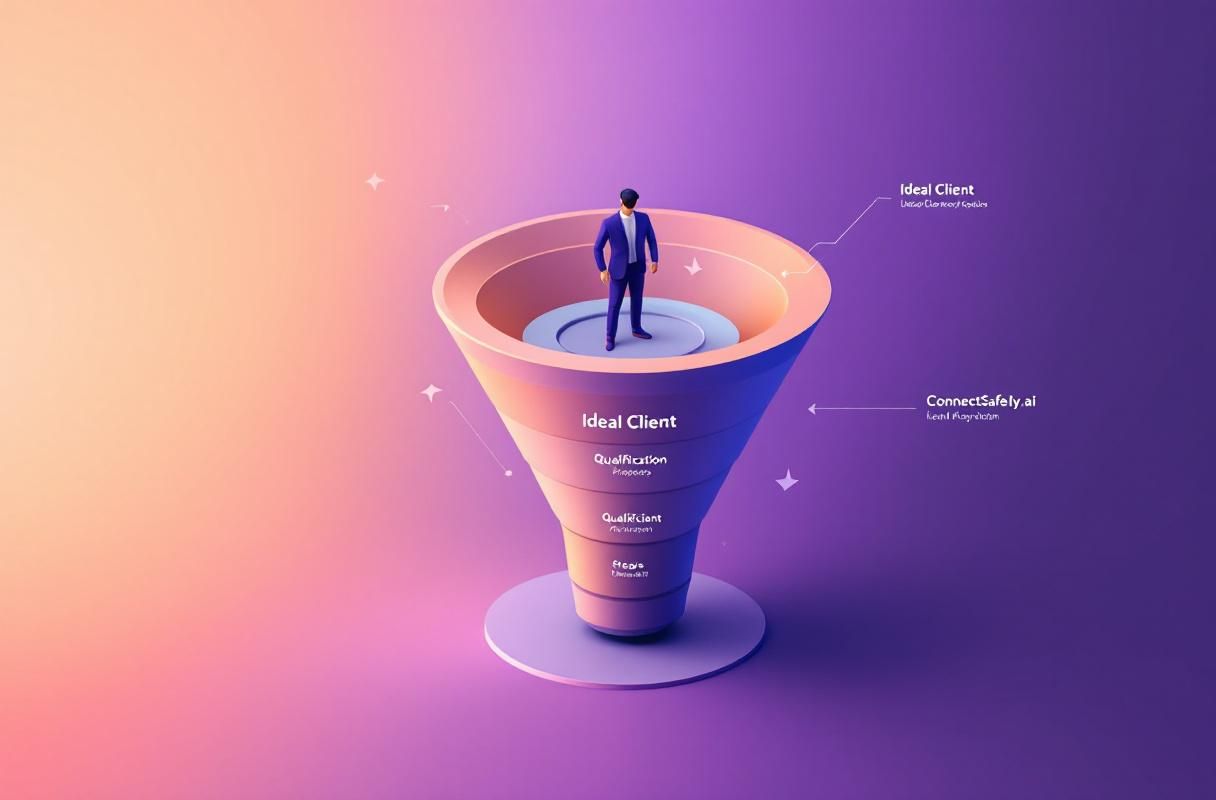
The Inbound-First Funnel
Stage 1: Attract (LinkedIn Authority)
- Publish 3-5 valuable posts per week
- Engage strategically with ideal client content
- Optimize profile for inbound requests
- Launch LinkedIn newsletter on specific topic
Stage 2: Capture (Permission-Based)
- Newsletter subscribers (auto-captured emails)
- Lead Gen Forms (gated content, events)
- InMail conversations → email sharing
- Profile visitors who download resources
Stage 3: Enrich (Fill Gaps)
- Append missing firmographic data
- Verify email deliverability
- Add direct dial phone numbers
- Identify buying committee members
Stage 4: Nurture (Value-Driven Follow-Up)
- Personalized email sequences referencing their engagement
- Additional resources related to their interests
- Case studies from similar companies
- Invitation to deeper conversation
The Combined Metrics
| Metric | Cold Scraping | Inbound + Enrichment |
|---|---|---|
| Email accuracy | 60-90% | 95%+ (verified subscribers) |
| Open rate | 18-24% | 25-35% (newsletter) / 30-45% (follow-up) |
| Click rate | 2-5% | 8-15% |
| Reply rate | 1-3% | 10-25% |
| Conversion rate | 0.5-1% | 5-10% |
| Sender reputation | Damaged (bounces, spam) | Protected (opt-in only) |
| Cost per lead | $50-200 | $10-30 |
According to Martal's LinkedIn lead generation guide, the best approach in 2026 is "inbound-led outbound"—using LinkedIn authority to warm prospects before any email outreach.
Tools to Automate Inbound Email Capture
ConnectSafely.ai for LinkedIn Authority Building
ConnectSafely.ai automates the engagement that builds authority and attracts inbound leads:
- Smart commenting: Engage with target audience posts when they're most active
- Content amplification: Get your posts in front of ideal prospects
- Relationship tracking: Monitor which engagement drives profile views and connections
- Inbound lead scoring: Identify which prospects show highest intent
Results: 10-20 qualified inbound connections per month who are warm to email outreach
Cost: from USD $10/month (vs $79-299/month for enrichment tools alone)
Integration Workflow
- ConnectSafely.ai: Build LinkedIn authority + attract inbound engagement
- LinkedIn newsletters: Capture subscriber emails automatically
- Apollo.io or Hunter.io: Enrich inbound lead data with missing fields
- Email platform (Saleshandy, Lemlist, etc.): Nurture with personalized sequences
Total cost: $100-150/month for complete inbound + enrichment stack
Compare to: $300-500/month for Sales Navigator + ZoomInfo + email tool (cold outreach stack)
Frequently Asked Questions
What is the best way to find prospect email addresses on LinkedIn in 2026?
The best way is to build LinkedIn authority that makes prospects share email willingly through: (1) LinkedIn newsletters delivering 25-35% open rates and auto-capturing subscriber emails, (2) Lead Gen Forms for content downloads and event signups, and (3) InMail conversations where prospects share email naturally. According to Saleshandy's testing, 80%+ of email scraping tools fail to consistently extract verified addresses, and those that work still require cold outreach converting at just 1-3%.
Are LinkedIn email finder tools accurate in 2026?
Most are not. According to comprehensive testing by Saleshandy, more than 80% of LinkedIn email finder tools fail to consistently extract verified email addresses. The most accurate tools like Saleshandy Connect (95% success rate), Hunter.io (85-95%), and Skrapp.io (92%) perform better, but you're still emailing cold prospects who never expressed interest. Even 5% bounce rates damage sender reputation and trigger spam filters. The better approach is capturing emails from prospects who engage with your LinkedIn content first.
How do I use email enrichment tools ethically for LinkedIn leads?
Use enrichment tools to enhance inbound lead data, not build cold outreach lists. Ethical workflow: (1) Prospect engages with your LinkedIn content, (2) Export engaged profiles or capture via Lead Gen Form, (3) Enrich with tools like Apollo.io or Hunter.io to append missing data, (4) Only reach out to those who showed engagement, and (5) Reference their specific engagement in outreach. According to evaboot's enrichment guide, this "intent-based enrichment" converts at 5-10% vs 0.5-1% for cold scraping.
What's better: LinkedIn InMail or finding prospect emails?
LinkedIn InMail is better for cold outreach, while email is better for nurturing inbound leads. According to ConnectSafely's InMail guide, InMail works within LinkedIn's ecosystem and avoids deliverability issues. However, the best approach is building authority that makes prospects reach out to you first, then naturally transitioning to email: "I'll send you that case study—what's your best email?" This voluntary email sharing converts at 15-25% vs 1-3% for cold scraping.
Do LinkedIn Lead Gen Forms capture email addresses automatically?
Yes. According to evaboot's lead generation strategies, Lead Gen Forms can collect contact information from LinkedIn users interested in your content, including email address, full name, company, and job title—all automatically populated from their LinkedIn profile. Forms appear in LinkedIn Ads, Event signups, and can be embedded in content promotions. Typical conversion rates are 10-15% (vs 1-3% for cold outreach), and you receive verified email addresses from prospects who demonstrated intent.
How do I build a LinkedIn newsletter to capture prospect emails?
Start by publishing 5-10 regular posts to build an initial audience, then launch a newsletter on a specific, valuable topic (not generic "weekly insights"). According to ConnectSafely's newsletter guide, LinkedIn newsletters deliver 25-35% open rates vs 21% for traditional email and automatically capture subscriber email addresses. Commit to bi-weekly or weekly publishing, promote the newsletter in your profile Featured section, and export subscriber lists for external email nurturing sequences.
What email enrichment tools integrate best with LinkedIn in 2026?
According to testing and reviews, the best LinkedIn-integrated enrichment tools are: (1) Apollo.io ($79-99/month) with 200M+ contacts, Chrome extension, and waterfall enrichment, (2) Hunter.io ($49-299/month) specializing in domain-based email discovery with 85-95% accuracy, (3) Skrapp.io with 92% success rate and LinkedIn Chrome extension, and (4) ZoomInfo (enterprise pricing) with 500M contact profiles and intent data. Use these to enrich inbound leads from LinkedIn authority-building, not for cold scraping.
Ready to capture prospect emails through LinkedIn authority instead of unreliable scraping tools? Start your free trial and build inbound lead generation that converts 8X better.
The Dark Side of Email Enrichment: When Data Append Rates Mask Inaccuracy
Email enrichment tools are often touted as a silver bullet for appending missing details to inbound leads, but the reality is more nuanced. While these tools can be incredibly powerful, they can also mask underlying inaccuracies in the data. For instance, a high data append rate might make it seem like the tool is performing well, but if the appended data is inaccurate, it can actually do more harm than good. This is where the concept of "data confidence" comes in – it's not just about filling in missing fields, but about ensuring that the data being appended is accurate and trustworthy. I've seen cases where email enrichment tools have appended incorrect job titles, company names, or even email addresses, which can lead to embarrassing mistakes and damaged relationships with prospects. To avoid this, it's essential to carefully evaluate the data append rates and accuracy of email enrichment tools, and to prioritize data confidence over sheer append rates.
Myth vs Reality: The Misconception of High Email Open Rates as a Metric of Success
There's a common misconception in the industry that high email open rates are a direct indicator of success, but the reality is more complex. While open rates can be a useful metric, they don't necessarily translate to engagement or conversion. In fact, I've seen cases where high open rates are actually a result of clever subject lines or misleading email content, rather than genuine interest from the recipient. Furthermore, open rates can be influenced by a range of factors, including email client settings, device types, and even the time of day the email is sent. To get a more accurate picture of email performance, it's essential to look beyond open rates and focus on metrics like click-through rates, conversion rates, and even qualitative feedback from recipients. By doing so, you can gain a more nuanced understanding of what's working and what's not, and make data-driven decisions to optimize your email strategy.
The Importance of Contextual Relevance in Email Enrichment: Why One-Size-Fits-All Approaches Fail
Email enrichment is often viewed as a one-size-fits-all solution, but the reality is that different industries, companies, and even job functions require unique approaches to data append and enrichment. For instance, a B2B company selling software to enterprises might require a different set of data points than a B2C company selling consumer goods. Similarly, a company operating in a highly regulated industry like finance or healthcare might need to prioritize data accuracy and compliance over sheer append rates. To achieve contextual relevance in email enrichment, it's essential to take a tailored approach that accounts for the specific needs and requirements of your industry, company, or job function. This might involve working with industry-specific data providers, developing custom data validation rules, or even using machine learning algorithms to identify patterns and anomalies in the data. By doing so, you can ensure that your email enrichment strategy is optimized for your unique use case, rather than relying on a generic, one-size-fits-all approach.
Advanced Email Enrichment Techniques: Using Machine Learning to Identify High-Value Leads
For advanced practitioners, email enrichment can be a powerful tool for identifying high-value leads and optimizing conversion rates. One technique that's gaining traction is the use of machine learning algorithms to analyze email data and identify patterns that are indicative of high-value leads. For instance, a company might use clustering algorithms to group leads based on their job title, company size, and industry, and then use predictive modeling to identify which clusters are most likely to convert. Another technique is to use natural language processing (NLP) to analyze email content and identify keywords, phrases, and sentiment that are indicative of high-value leads. By leveraging these advanced techniques, companies can gain a more nuanced understanding of their lead data and develop targeted email strategies that resonate with high-value leads. However, it's essential to note that these techniques require significant expertise and resources, and may not be suitable for all companies or use cases.
The Hidden Cost of Over-Enrichment: When Too Much Data Becomes a Liability
While email enrichment can be a powerful tool for optimizing conversion rates, there's a hidden cost to over-enrichment that many companies overlook. When too much data is appended to a lead record, it can actually become a liability, rather than an asset. For instance, excessive data can lead to data fatigue, where sales teams become overwhelmed by the sheer volume of information and struggle to prioritize leads effectively. Additionally, over-enrichment can also lead to data decay, where outdated or inaccurate data accumulates and becomes difficult to maintain. To avoid these pitfalls, it's essential to strike a balance between data enrichment and data simplicity, and to prioritize the most critical data points that drive conversion and revenue. This might involve implementing data validation rules, establishing data governance policies, or even using data visualization tools to simplify complex data sets. By doing so, companies can ensure that their email enrichment strategy is optimized for revenue growth, rather than data accumulation.
See How It Works
Watch how people get more LinkedIn leads with ConnectSafely




Related Articles