How to Reach Out on LinkedIn: Effective Outreach Guide 2026
Master LinkedIn outreach with proven strategies. Learn how to write messages that get responses and build relationships that convert.

LinkedIn outreach can open doors to career opportunities, business partnerships, and sales conversations—but only if you do it right. The average LinkedIn message gets a 5-15% response rate. Top performers see 40%+ by following specific strategies.
This guide shows you exactly how to reach out on LinkedIn in 2026, including when to message, what to say, and how to follow up without being annoying.
Key Takeaways
- The best LinkedIn outreach is warm, not cold—engage with someone's content before reaching out
- Keep messages under 150 words; response rates drop 50% for messages over 300 words
- The 3-touch rule: Most responses come after 2-3 touchpoints, not the first message
- Inbound attracts: Building authority generates outreach from prospects to you, with 8x higher conversion rates
The LinkedIn Outreach Framework
Step 1: Warm Up Before Reaching Out
Cold outreach fails because there's no context. Before sending a message:
Want to Generate Consistent Inbound Leads from LinkedIn?
Get our complete LinkedIn Lead Generation Playbook used by B2B professionals to attract decision-makers without cold outreach.
No spam. Just proven strategies for B2B lead generation.
- Like 2-3 of their recent posts (space these over a few days)
- Leave a thoughtful comment on at least one post
- Share their content with your own insight added
- View their profile so you appear in their notifications
This "warming" increases response rates by 40-60% because your name becomes familiar before they read your message.
Step 2: Connect Before Messaging
If you're not already connected:
- Send a personalized connection request
- Wait for acceptance (don't message non-connections via InMail unless necessary)
- Thank them for connecting before pitching anything
Why this matters: According to LinkedIn's data, messages to 1st-degree connections have 3x higher response rates than InMails to strangers.
Step 3: Lead with Value, Not Asks
Your first message should give, not take:
❌ Wrong approach:
"Hi [Name], I noticed you're the VP of Sales at [Company]. I'd love to show you how our platform can increase your team's productivity by 30%."
✅ Right approach:
"Hi [Name], Loved your post about sales team burnout—we're dealing with the same challenge. I actually found a framework that helped us reduce admin time by 40%. Happy to share if useful!"
The right approach:
- References something specific
- Offers value without expecting anything
- Invites permission to share more
Step 4: Follow Up Strategically
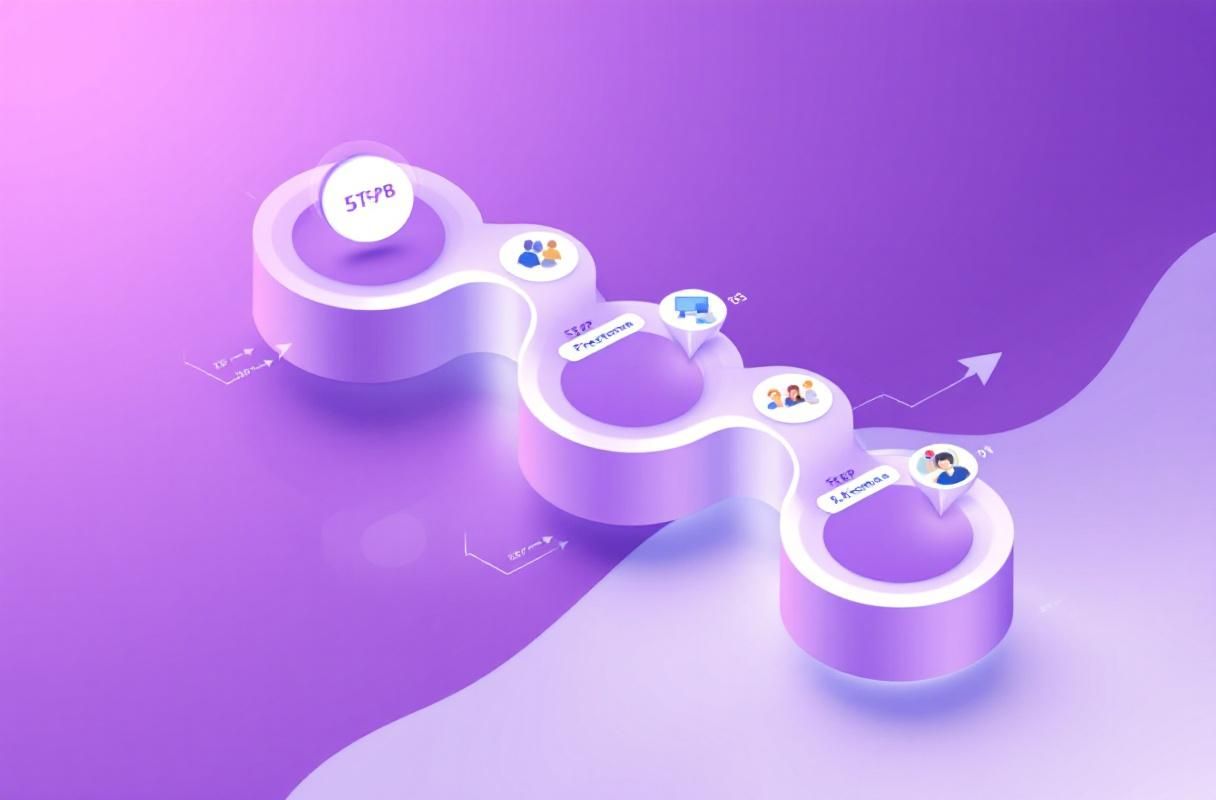
According to HubSpot research, 80% of sales require 5+ follow-ups, but 44% of salespeople give up after one "no."
Follow-up timeline:
- Day 3-4: First follow-up (bump the thread)
- Day 7-10: Second follow-up (add new value)
- Day 14+: Final follow-up (offer to close the loop)
Sample follow-up:
"Hi [Name], Just wanted to bump this in case it got buried. No pressure at all—but if the timing isn't right, just let me know and I'll circle back another time."
LinkedIn Outreach Message Templates
Template 1: The Value-First Message
Hi [Name],

Your recent post about [Topic] caught my attention—particularly
your point about [Specific Insight].

I actually wrote a guide on [Related Topic] that expands on some
of those ideas. Would you find it helpful if I shared it?

Either way, really appreciate your content!

[Your Name]
Response rate: 25-35%
Template 2: The Mutual Connection Message
Hi [Name],

[Mutual Connection] mentioned you're doing impressive work in
[Area]. I've been focused on similar challenges at [Your Company].

Would love to pick your brain about [Specific Question] sometime.
No pitch—genuinely curious about your approach.

[Your Name]
Response rate: 30-45%
Template 3: The Engagement Callback Message
Hi [Name],

I left a comment on your post about [Topic] last week—great
discussion that followed!

I'm working on [Related Project] and keep thinking about that
thread. Would you be open to a quick chat about [Specific Aspect]?

[Your Name]
Response rate: 35-50%
Template 4: The Resource Share Message
Hi [Name],

I know you're focused on [Their Challenge]—I just came across
[Resource: report/article/tool] that specifically addresses that.

Here's the link: [URL]

No strings attached—thought you might find it useful. Let me
know what you think!

[Your Name]
Response rate: 20-30%
Common LinkedIn Outreach Mistakes
Mistake 1: The Immediate Pitch
What people do:
"Hi, I help companies like yours increase revenue by 40%. Let's schedule a call."
Why it fails: No relationship, no context, no value offered. This screams "I'm selling."
Mistake 2: The Novel-Length Message
Messages over 300 words see 50% lower response rates. Your first outreach should be scannable in 10 seconds.
Mistake 3: Generic Personalization
Bad:
"I noticed you work at [Company], which is impressive..."
Better:
"Your LinkedIn post about reducing churn by focusing on onboarding NPS—we implemented something similar and saw 15% improvement in 90 days."
Mistake 4: No Clear Next Step
Every message needs a simple, low-commitment call-to-action:
- "Would you find that useful?"
- "Would you be open to a 15-minute chat?"
- "Should I share more details?"
InMail vs Direct Message: When to Use Each
LinkedIn Direct Messages (Free)
Best for:
- 1st-degree connections
- Follow-up after events
- Maintaining relationships
- Referral requests
Limit: Unlimited to 1st-degree connections
LinkedIn InMail (Premium Required)
Best for:
- Reaching prospects who haven't connected
- High-value outreach to executives
- Job recruiting
- Time-sensitive opportunities
Limit: 5-50 InMails/month depending on plan
According to LinkedIn's InMail guide, InMails have 3x higher response rates than traditional cold emails when personalized properly.
The Inbound Alternative: Let Them Reach Out to You
Here's what top LinkedIn professionals understand: the most effective outreach isn't outreach at all—it's attraction.
Outbound vs Inbound Outreach Results
| Metric | Cold Outreach | Inbound (They Message You) |
|---|---|---|
| Response rate | 5-15% | 100% (they initiated) |
| Meeting booking rate | 2-5% | 30-50% |
| Close rate | 1.7% | 14.6% |
| Time per lead | 30+ minutes | 5 minutes (responding) |
How to Generate Inbound Outreach
- Publish thought leadership content 3-5x per week
- Comment on industry discussions with genuine insights
- Optimize your profile to attract your ideal prospects
- Showcase results through posts and articles
When you're seen as an authority, prospects reach out to you already interested—no cold outreach required.
How ConnectSafely.ai Transforms Your LinkedIn Outreach
ConnectSafely.ai helps you flip the script on LinkedIn outreach. Instead of chasing prospects, you attract them.
What ConnectSafely Offers
- Authority building tools: Position yourself as the go-to expert
- Content strategy AI: Create posts that generate inbound inquiries
- Engagement analytics: See who's interested before they reach out
- Profile optimization: Attract the right prospects automatically
Results Our Users See
- 10-20 qualified inbound leads per month
- 70%+ positive conversation rates
- Zero time spent on cold outreach
- from USD $10/month (less than most outreach tools)
Best Practices for LinkedIn Outreach in 2026
Do:
✅ Warm up prospects with content engagement first ✅ Keep messages under 150 words ✅ Reference something specific about them ✅ Offer value before asking for anything ✅ Include one clear, low-commitment CTA ✅ Follow up 2-3 times with spacing
Don't:
❌ Pitch in your first message ❌ Send generic copy-paste messages ❌ Use automation that violates LinkedIn's terms ❌ Give up after one non-response ❌ Send novel-length messages ❌ Connect and pitch immediately
Frequently Asked Questions
How do I reach out to someone on LinkedIn I don't know?
First, warm up the relationship by engaging with their content—like and comment on 2-3 posts over a week. Then send a personalized connection request. Once connected, send a value-first message referencing something specific about them. Avoid pitching in your first message.
What should I say in a LinkedIn outreach message?
Start by referencing something specific—their content, a mutual connection, or their company's recent news. Offer value before asking for anything (share a resource, insight, or genuine compliment). End with a simple question or low-commitment CTA like "Would you find that useful?" Keep it under 150 words.
How many follow-up messages should I send on LinkedIn?
Send 2-3 follow-ups spaced 3-7 days apart. Most responses come after the second or third touchpoint. Each follow-up should add new value, not just "checking in." If there's no response after 3 attempts, close the loop with a final message and move on.
Is cold outreach on LinkedIn effective in 2026?
Cold outreach on LinkedIn typically sees 5-15% response rates, while warm outreach (after content engagement) sees 25-50%. According to HubSpot, inbound leads convert at 14.6% vs 1.7% for outbound—making authority building more effective than cold outreach.
What's the best time to send LinkedIn messages?
According to multiple studies, the best times are Tuesday through Thursday, between 8-10 AM in the recipient's timezone. Avoid Mondays (inbox overload) and Fridays (weekend mindset). Mid-week mornings see the highest response rates.
Tired of chasing prospects? Start your ConnectSafely.ai free trial and let qualified leads come to you.
The Paradox of Personalization: When Tailoring Your Message Can Backfire
Personalization is often touted as a key to successful LinkedIn outreach, and for the most part, it is. Addressing someone by their name, referencing their work, and showing genuine interest in their activities can significantly increase response rates. However, there's a fine line between personalization and coming on too strong. Overly personalized messages can feel intrusive, especially if the recipient doesn't know you well. For instance, mentioning a personal detail from someone's profile or referencing a post they made months ago can be perceived as stalking rather than thoughtful. It's essential to gauge the level of personalization based on the relationship you have with the recipient. If you're reaching out cold, it's better to stick to more general, yet still relevant, references. Additionally, be mindful of cultural differences, as what might be considered a friendly gesture in one culture could be seen as overly familiar in another. The key is to find a balance between showing interest and respecting boundaries.
Myth vs Reality: The Truth About LinkedIn's Algorithm and Outreach
There's a common misconception that LinkedIn's algorithm favors outreach messages from users with a high number of connections or a strong profile. While having a complete and engaging profile is crucial for establishing credibility, the algorithm doesn't directly impact the delivery of outreach messages. What does matter is the recipient's notification settings and their past interactions with you or similar messages. If someone has indicated they prefer not to receive messages from people they don't know, your outreach efforts, regardless of your profile strength, will likely be met with silence. Moreover, LinkedIn's efforts to reduce spam mean that messages from users who have been flagged or reported are less likely to be delivered. The reality is that success in LinkedIn outreach depends more on the quality of your message, the relevance of your connection, and the timing of your approach rather than your profile's perceived strength or the algorithm's mysterious workings.
Advanced LinkedIn Outreach: Leveraging Mutual Connections for Warm Introductions
For advanced practitioners, one of the most effective strategies for LinkedIn outreach is leveraging mutual connections to secure warm introductions. This approach not only increases the likelihood of a response but also adds a layer of credibility and trust from the outset. Identifying mutual connections involves reviewing the recipient's network and looking for individuals you both know. Once identified, you can reach out to the mutual connection and ask for an introduction. However, this strategy requires finesse. It's crucial to ensure that your request is not seen as an imposition and that you've built a strong enough relationship with the mutual connection for them to feel comfortable making the introduction. Additionally, be prepared to offer value in return, whether it's introducing them to someone in your network or providing insights on a topic of interest. This reciprocal approach strengthens your professional relationships and expands your network in a meaningful way.
Navigating the Gray Area: Outreach to Former Colleagues and Industry Peers
Reaching out to former colleagues or industry peers on LinkedIn can be a gray area, especially if your past interactions were complicated or if you're looking to reconnect after a significant period. The approach here depends heavily on the context of your past relationship and the reason for your outreach. If you're looking to reconnect with a former colleague for genuine professional reasons, such as seeking advice or exploring potential collaborations, a straightforward yet respectful message can work well. However, if there were issues in the past, it's essential to address these directly and sincerely in your message, showing that you've reflected on the situation and are looking to move forward positively. With industry peers, the key is to offer value or insight that shows you've been paying attention to their work and are interested in their perspective. This could be commenting on their posts, sharing relevant content, or even inviting them to a professional event. The goal is to reestablish a connection based on mutual respect and professional interest.
The Hidden Impact of Timing: How Daily and Weekly Cycles Affect LinkedIn Outreach
The timing of your LinkedIn outreach can significantly impact its success, and this goes beyond just avoiding weekends and late evenings. Understanding the daily and weekly cycles of your target audience can help you catch them at moments when they're most receptive to new messages. For instance, research suggests that Mondays and Fridays tend to have lower engagement rates as people are either catching up on the week's start or wrapping up before the weekend. Conversely, Tuesdays through Thursdays, especially around lunch breaks or late afternoons, can be more productive times for outreach. Additionally, considering the industry and role of your recipient can provide insights into their busy periods. For example, outreach to marketing professionals might be more effective during the first week of the month when budgets are being planned, whereas reaching out to sales teams might be better towards the end of the quarter when they're looking to meet targets. By aligning your outreach strategy with these cycles, you can increase the visibility and response rates of your messages.
See How It Works
Watch how people get more LinkedIn leads with ConnectSafely




Related Articles