Lemlist Review 2026: Email Automation Pricing & Features
Complete Lemlist review for 2026. Compare pricing ($59-99/mo), features, deliverability concerns, and why LinkedIn inbound authority may convert better.

Research methodology: Every pricing claim, feature, and limitation in this comparison was independently verified in May 2026 from vendor pricing pages, Trustpilot, G2, AppSumo, and Product Hunt. Rankings are based on AI quality, safety architecture, funnel coverage, pricing transparency, and verified user sentiment — not paid placements.

Updated April 18, 2026 — Refreshed with the latest 2026 data, pricing, and examples. Reviewed by the ConnectSafely.ai editorial team.
Lemlist is a cold email automation platform priced at $59-99/month that focuses on personalization and multi-channel outreach. While its image personalization and email sequences are powerful, cold email response rates have declined to 1-5% in 2026 according to Salesforce B2B benchmarks. With Gmail and Outlook tightening spam filters further in Q2 2026, deliverability challenges continue to mount. LinkedIn inbound authority generates 8X better conversion rates at lower cost.
Want to Generate Consistent Inbound Leads from LinkedIn?
Get our complete LinkedIn Lead Generation Playbook used by B2B professionals to attract decision-makers without cold outreach.
No spam. Just proven strategies for B2B lead generation.
Key Takeaways
- Lemlist pricing ranges from $59/month to $99/month: Email Starter to Multichannel Expert tiers
- Cold email response rates have dropped to 1-5%: from 10-15% in 2020, per Mailchimp industry data
- Email deliverability is increasingly challenging: 20-30% of cold emails never reach the inbox according to Return Path research
- LinkedIn inbound converts 8X better: HubSpot data shows 14.6% close rate for inbound vs 1.7% for cold outbound
- Personalization can't fix the fundamental cold outreach problem: even perfectly personalized emails face declining response rates
- Authority building on LinkedIn warms email outreach significantly: prospects who know you respond at 25-40% vs 1-5% for pure cold
Lemlist has earned a reputation as one of the more sophisticated cold email tools, with image personalization, video personalization, and multi-channel sequences that include LinkedIn.
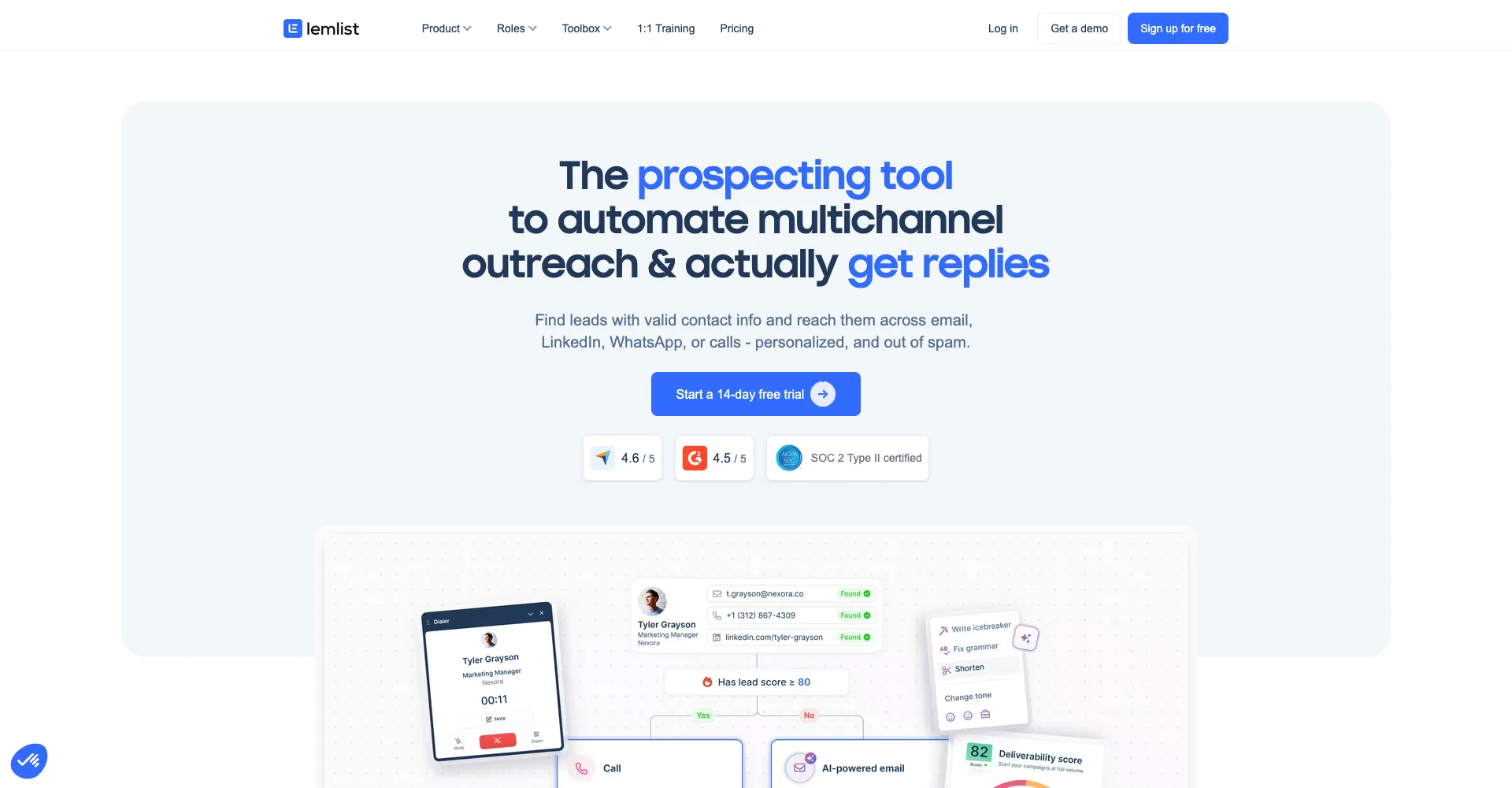
But here's the challenge: No amount of personalization can fix the fundamental problem—your recipients don't know you, don't trust you, and receive hundreds of similar emails monthly.
Lemlist Pricing Breakdown (2026)
According to Lemlist's official pricing page:
Email Starter - $59/month
- 1 sending email
- Unlimited emails
- AI personalization variables
- 100 lead credits/month
- Email warm-up
- Basic sequences
- Chrome extension
Email Pro - $79/month
Includes Starter features plus:
- 3 sending emails
- Custom image personalization
- Advanced conditions
- A/B testing
- CRM integrations
- Inbox rotation
Multichannel Expert - $99/month
Includes Pro features plus:
- 5 sending emails
- LinkedIn automation steps
- Cold calling steps
- Video personalization
- Advanced analytics
- Priority support

What Lemlist Does Well
1. Image Personalization
Lemlist's signature feature—dynamically inserting prospect details into images—creates visually distinctive emails that stand out:
- Personalized screenshots
- Custom thumbnails with prospect name
- Dynamic website mockups
- Branded image templates
2. Email Warm-Up
Lemwarm (included in plans) gradually builds sender reputation by exchanging emails with other Lemlist users, improving deliverability for new domains.
3. Multi-Channel Sequences
The Multichannel Expert plan combines:
- Email sequences
- LinkedIn actions (connection requests, messages)
- Cold calling triggers
- Task reminders
4. Lead Database
Built-in lead finding with 100-500 monthly credits reduces dependence on external data providers.
5. A/B Testing
Test subject lines, email bodies, and sequences to optimize performance over time.
Lemlist's Critical Limitations
1. The Cold Email Decline
Lemlist's core product—cold email automation—faces fundamental headwinds:
| Year | Average Cold Email Response Rate |
|---|---|
| 2018 | 12-18% |
| 2020 | 8-12% |
| 2022 | 5-8% |
| 2024 | 3-6% |
| 2026 | 1-5% |
According to Mailchimp's email benchmarks, B2B cold email open rates have declined 20% since 2020, with response rates declining even faster.
2. Deliverability Challenges
Cold email faces increasing spam filter sophistication:
- Gmail's AI spam filtering catches 99.9% of spam—including many cold emails
- Corporate filters are increasingly aggressive
- Sender reputation is harder to build and easier to damage
- Domain warming takes 2-4 weeks before full sending capacity
According to Return Path research, 20-30% of legitimate cold emails never reach the primary inbox—they're filtered to spam or promotions.
3. Personalization Arms Race
Every cold email tool now offers personalization:
- AI-generated opening lines
- Dynamic company mentions
- Recent news insertions
- Role-specific value props
But when everyone personalizes, personalization stops standing out. Your "personalized" email looks similar to dozens of other "personalized" emails your prospect receives.
4. LinkedIn Integration Limitations
Lemlist's LinkedIn steps face the same limits as dedicated LinkedIn tools:
- 100 connection requests/week maximum
- Profile visit caps
- Message limits for non-connections
- Automation detection risks
The multi-channel approach doesn't bypass platform restrictions—it multiplies them.
5. The Conversion Math
Let's calculate actual results for a typical Lemlist campaign:
1,000 cold emails sent:
- 80% deliverability = 800 reach inbox
- 25% open rate = 200 opens
- 3% response rate = 6 responses
- 25% positive responses = 1.5 potential opportunities
- Cost: $59-99/month + time
Compare to inbound authority:
- 500 strategic engagements monthly
- 5-10 inbound inquiries
- 50% conversion to opportunity = 2.5-5 opportunities
- Cost: from USD $10/month
The LinkedIn Inbound Alternative
What if your email outreach went to people who already knew your expertise?
LinkedIn inbound authority warms prospects before email contact:
Cold Email vs. LinkedIn-Warmed Email
| Factor | Cold Email (Lemlist) | LinkedIn-Warmed Email |
|---|---|---|
| Open Rate | 20-30% | 50-70% |
| Response Rate | 1-5% | 25-40% |
| Tone of Response | Skeptical | Interested |
| Close Rate | 1-2% | 15-25% |
| Relationship Built | From scratch | Already started |
The Authority → Email Strategy
Phase 1: Build LinkedIn Visibility (Weeks 1-4)
- Post valuable content 2-3x weekly
- Comment strategically on posts prospects follow
- Build name recognition with target accounts
Phase 2: Identify Engaged Prospects (Ongoing)
- Track who views your profile
- Note who engages with your content
- Monitor target company activity
Phase 3: Warm Email Outreach (After Engagement)
- Email prospects who've seen your LinkedIn content
- Reference specific content they engaged with
- Position as continuation of existing awareness
Phase 4: Convert Warm Conversations (Ongoing)
- Response rates jump to 25-40%
- Conversations start warm, not cold
- Close rates reach 15-25%
ConnectSafely.ai: The LinkedIn Authority Alternative
ConnectSafely.ai builds the authority that makes cold outreach unnecessary—or makes warm outreach dramatically more effective:
AI-Powered Visibility Building: Generate strategic comments and content that put you in front of ideal prospects on LinkedIn.
Prospect Engagement Tracking: Know exactly which prospects have engaged with your content before reaching out via any channel.
Platform-Compliant Growth: All activities align with LinkedIn's terms of service, eliminating account risk.
Lower Cost, Higher Conversion: from USD $10/month with inbound conversions of 14.6% vs cold email's 1-2%.
Using ConnectSafely + Email (Hybrid Approach)
For maximum effectiveness:
- Build visibility with ConnectSafely's AI-powered engagement
- Track which prospects view your profile and content
- Use email outreach to engaged (warm) prospects only
- Reference specific LinkedIn content they engaged with
- Achieve 25-40% response rates vs 1-5% pure cold
Frequently Asked Questions
Is Lemlist worth the price in 2026?
Lemlist's $59-99/month is reasonable for a cold email tool, but the ROI depends on cold email still working for your market. With response rates declining to 1-5% (Salesforce data), the math works only for high-ticket sales where even low conversion produces positive ROI. For most B2B professionals, LinkedIn inbound authority delivers better cost-per-opportunity.
How does Lemlist compare to other cold email tools?
Lemlist's image personalization and built-in warm-up distinguish it from competitors like Instantly, Apollo, and Smartlead. According to G2 reviews, Lemlist rates highly for ease of use and deliverability features. However, all cold email tools face the same declining response rates regardless of feature set.
Can Lemlist automate LinkedIn outreach?
Lemlist's Multichannel Expert plan ($99/month) includes LinkedIn automation steps—connection requests, profile views, and messages. However, this automation operates within LinkedIn's limits (100 connections/week) and carries account restriction risk. The LinkedIn steps don't bypass platform detection.
What's the best Lemlist alternative for lead generation?
For lead generation specifically (not just email sending), ConnectSafely.ai offers inbound authority building from USD $10/month that generates warm prospects rather than cold contacts. Warm outreach converts 8X better per HubSpot research. For email-focused alternatives, consider Instantly or Apollo.
How do I improve Lemlist response rates?
The most effective way to improve cold email response rates is to warm prospects before emailing. According to our analysis, prospects who've engaged with your LinkedIn content respond at 25-40% vs 1-5% for pure cold outreach. Build visibility first, email engaged prospects second.
Want to warm prospects before email outreach? Start your free ConnectSafely trial and build the LinkedIn authority that makes every email more effective.
The Hidden Cost of Email Warm-Up and Its Impact on Deliverability
When evaluating Lemlist's pricing, it's essential to consider the hidden cost of email warm-up, a crucial aspect of cold email automation. Email warm-up is the process of gradually increasing the volume of emails sent from a new domain or IP address to prevent spam filters from flagging them as suspicious. While Lemlist includes email warm-up in its plans, the actual cost of warm-up can be substantial, especially for large email lists. The warm-up process can take several weeks, during which time the email sending limit is restricted, and the cost of lead credits can add up quickly. Moreover, if the warm-up process is not done correctly, it can lead to deliverability issues, resulting in a significant portion of emails being flagged as spam or blocked by email service providers. In such cases, the cost of email warm-up can be much higher than the initial pricing, making it essential to factor in the potential risks and costs when evaluating Lemlist's pricing plans.
Advanced Email Sequencing Strategies for Multichannel Outreach
For advanced users, Lemlist's multichannel sequences offer a powerful way to personalize and automate outreach efforts. However, to get the most out of these sequences, it's essential to have a deep understanding of the target audience, their preferences, and the channels they use. One advanced strategy is to use Lemlist's conditional logic to create dynamic sequences that adapt to the recipient's behavior and engagement. For example, if a recipient opens an email but doesn't respond, the sequence can be designed to send a follow-up email with a different subject line or content. Similarly, if a recipient engages with a LinkedIn message, the sequence can be triggered to send a personalized email or phone call. By using these advanced sequencing strategies, users can create highly personalized and effective multichannel outreach campaigns that drive real results.
Myth vs Reality: The Effectiveness of Personalization in Cold Email Automation
One common myth in cold email automation is that personalization is the key to success. While personalization can certainly improve response rates, it's not a silver bullet, and its effectiveness depends on various factors. In reality, personalization can even backfire if it's not done correctly. For example, if the personalization is too generic or obvious, it can come across as insincere or even spammy. Moreover, if the personalization is based on incorrect or outdated data, it can lead to misunderstandings or miscommunications. In fact, studies have shown that overly personalized emails can actually decrease response rates, as recipients may feel uncomfortable or even creeped out by the level of personalization. Therefore, it's essential to approach personalization with caution and to focus on building genuine relationships with recipients rather than relying on gimmicks or tricks.
The Impact of Gmail's and Outlook's Spam Filter Updates on Cold Email Deliverability
The recent updates to Gmail's and Outlook's spam filters have significant implications for cold email deliverability. The new filters use machine learning algorithms to detect and block suspicious emails, making it even more challenging for cold emails to reach the inbox. In particular, the updates target emails with low engagement rates, suspicious sender domains, and emails that contain spammy keywords or phrases. To mitigate these risks, it's essential to focus on building a strong sender reputation, using high-quality content, and avoiding spammy tactics. Additionally, users can use Lemlist's deliverability features, such as inbox rotation and email warm-up, to improve the chances of their emails reaching the inbox. However, even with these measures, deliverability remains a significant challenge, and users must be prepared to adapt and evolve their strategies to stay ahead of the spam filters.
Edge Cases: When Cold Email Automation Backfires and LinkedIn Inbound Becomes a Better Option
While cold email automation can be an effective way to reach out to potential customers, there are certain edge cases where it can backfire and even harm the business. For example, if the target audience is highly sensitive to spam or has a history of reporting suspicious emails, cold email automation can lead to a high number of complaints and even get the sender's domain blocked. In such cases, LinkedIn inbound can become a better option, as it allows for more targeted and personalized outreach efforts. Additionally, if the business is in a highly regulated industry, such as finance or healthcare, cold email automation may not be the best approach due to strict compliance requirements. In these cases, LinkedIn inbound can provide a more compliant and effective way to build relationships with potential customers. By understanding these edge cases and being aware of the potential risks, businesses can make informed decisions about when to use cold email automation and when to opt for LinkedIn inbound instead.
See How It Works
Watch how people get more LinkedIn leads with ConnectSafely




Related Articles