LinkedIn Engagement Signals: 13 High-Intent Lead Cues
Discover how LinkedIn inbound lead generation reveals buying intent through engagement signals - no cold outreach or expensive tools required.


High-intent leads on LinkedIn reveal themselves through 13 observable engagement signals—from strategic keyword engagement to competitor content interaction—eliminating the need for expensive intent data. By building LinkedIn authority through strategic engagement, prospects self-qualify before reaching out. Inbound leads convert at 14.6% compared to outbound's 1.7% because they arrive pre-qualified with established trust.
What if the best leads weren't hiding from you—they were actively signaling their interest, and you just needed to know where to look?
Traditional B2B prospecting treats lead generation like a numbers game: blast enough cold messages, and eventually someone will respond. But this approach ignores a fundamental truth: high-intent buyers leave breadcrumbs everywhere. They engage with content, ask questions in communities, comment on competitor posts, and signal their needs through dozens of observable behaviors.
The difference between chasing leads and attracting them lies in recognizing these intent signals—and positioning yourself where motivated buyers can find you. This is the core of LinkedIn inbound lead generation: building authority that makes high-intent prospects come to you.
Key Takeaways
- High-intent leads reveal themselves through 13 observable LinkedIn behaviors—from keyword engagement to hiring patterns—eliminating expensive intent data needs
- LinkedIn itself is the largest free intent signal database with real-time, contextual signals that enable warm engagement
- Inbound engagement signals beat purchased intent data because they're real-time, contextual, and come with relationship foundation
- LinkedIn inbound lead generation systematically creates content and engagement that attracts these signals naturally
- People who engage with your LinkedIn presence self-qualify their interest, resulting in 14.6% conversion rates vs 1.7% for cold outreach
The Problem with Traditional Intent Data
Most B2B teams rely on expensive third-party intent data providers that track website visits, content downloads, and keyword searches across the web. While this data has value, it comes with significant drawbacks:
Want to Generate Consistent Inbound Leads from LinkedIn?
Get our complete LinkedIn Lead Generation Playbook used by B2B professionals to attract decision-makers without cold outreach.
No spam. Just proven strategies for B2B lead generation.
Cost barrier: Enterprise intent data platforms cost $20,000-$100,000+ annually, putting them out of reach for most businesses.
Data decay: By the time intent data reaches your CRM, prospects may have already moved on. Research shows B2B buying cycles accelerate 25% year-over-year.
Cold context: Knowing someone downloaded a whitepaper doesn't tell you what they actually need or whether they'd welcome your outreach.
Privacy concerns: Third-party tracking faces increasing regulatory scrutiny and browser restrictions.
Here's what most miss: LinkedIn itself is the largest intent signal database in the world—and the signals are free, real-time, and come with built-in context for warm engagement.
The Inbound Alternative: LinkedIn Engagement Signals
When you build authority through consistent LinkedIn engagement, you don't need to purchase intent data. High-intent prospects reveal themselves through their interactions with your content and your community.
The key insight: People who engage with your LinkedIn presence are self-qualifying. They're raising their hands, showing interest, and inviting conversation—if you know how to recognize and respond.
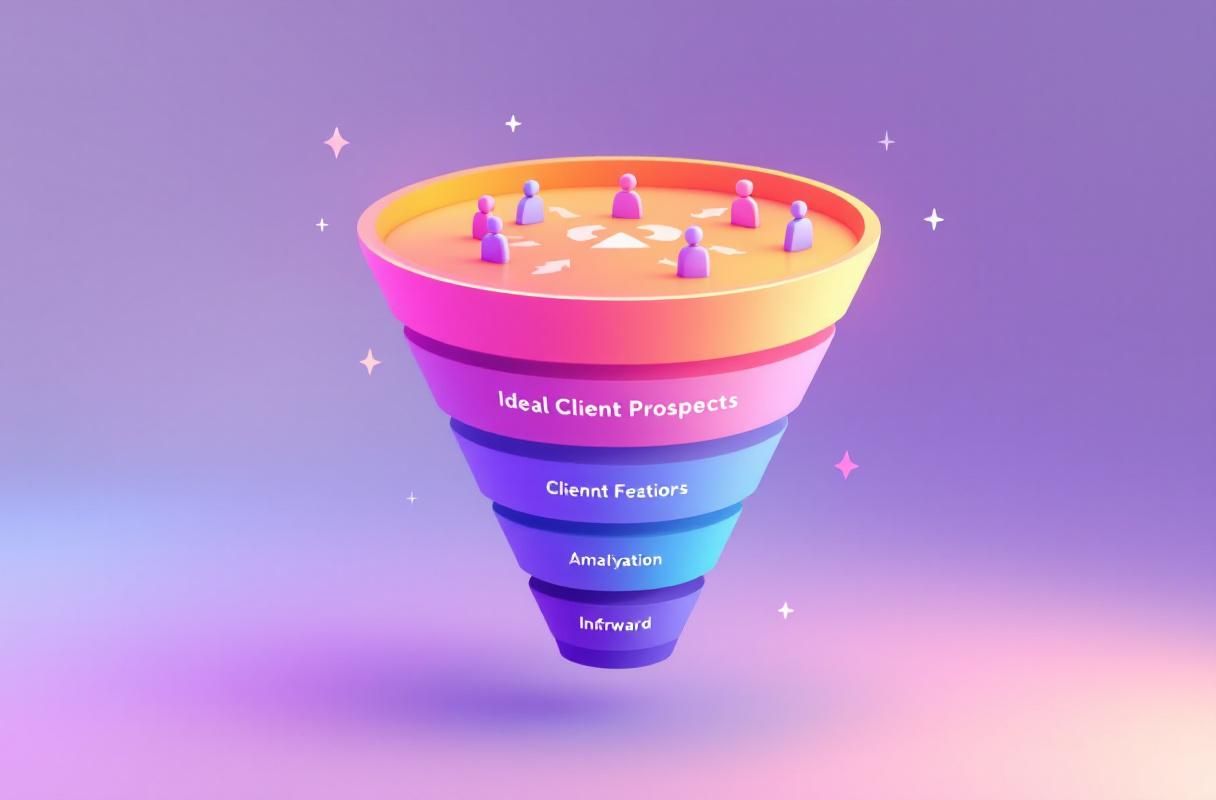
13 LinkedIn Engagement Signals That Reveal High-Intent Leads
Signal 1: Strategic Keyword Engagement
When prospects like or comment on posts containing keywords like "sales automation," "lead generation," or your specific solution category, they're signaling active interest in that topic.
Inbound approach: Create content around these strategic keywords. Track who engages consistently—these repeat engagers are often in active evaluation mode.
Signal 2: Thoughtful Post Comments
Generic comments like "Great post!" reveal little. But substantive comments that add perspective, ask clarifying questions, or share related experiences indicate genuine engagement with the topic.
Inbound approach: Respond thoughtfully to every substantive comment. These conversations often reveal specific pain points and buying context naturally.
Signal 3: Event and Webinar Attendance
People who RSVP to industry webinars, LinkedIn Live sessions, or virtual events are investing their time—a strong intent signal. They're actively seeking knowledge in that domain.
Inbound approach: Host regular LinkedIn events on topics your prospects care about. Attendees are warm leads who've already demonstrated interest.
Signal 4: Competitor Content Engagement
When prospects comment on or share content from your competitors, they're in evaluation mode. They're actively researching solutions in your category.
Inbound approach: Monitor competitor engagement and ensure your content offers a differentiated perspective. Prospects comparing options will find you through the same channels.
Signal 5: Recent Funding Announcements
Companies that just raised funding are "hiring fast, building fast, spending fast." They have budget, urgency, and mandate to scale.
Inbound approach: Create content specifically addressing the challenges of rapidly scaling teams. Newly-funded companies seeking solutions will engage with relevant content.
Signal 6: New Role Announcements
Executives within their first 30-90 days in a new role are establishing their priorities, evaluating existing tools, and open to new approaches. They haven't inherited loyalty to incumbent vendors.
Inbound approach: Welcome new executives in your target accounts with genuine engagement. They're building their network and receptive to thought leaders in relevant spaces.
Signal 7: Hiring Pattern Signals
When companies post multiple SDR, AE, or sales operations roles, they're scaling their go-to-market function. This indicates both growth and potential need for supporting tools.
Inbound approach: Create content addressing sales scaling challenges. Hiring managers and operations leaders researching best practices will discover your expertise.
Signal 8: Negative Competitor Sentiment
Prospects publicly discussing frustrations with competitor products on LinkedIn, G2, or industry forums are actively dissatisfied and likely evaluating alternatives.
Inbound approach: Address common pain points in your content without attacking competitors directly. Frustrated users seeking alternatives will find value in solution-oriented content.
Signal 9: Product Launch Engagement
Companies announcing new products or features are in growth mode. They're investing in innovation and likely open to tools that support their momentum.
Inbound approach: Engage authentically with product announcements from target accounts. Congratulate and add value—this opens doors for future conversations.
Signal 10: Community Question Patterns
Prospects asking questions in LinkedIn groups, Slack communities, or industry forums are actively seeking solutions. The specificity of their questions reveals buying stage.
Inbound approach: Become a known expert in communities where your prospects gather. Answer questions generously—this builds authority and attracts inbound interest.
Signal 11: Technology Stack Changes
Companies migrating between platforms (CRM changes, marketing automation switches) are in transition. They're re-evaluating their entire stack and open to new vendors.
Inbound approach: Create content addressing migration challenges and integration considerations. Companies in transition actively seek guidance.
Signal 12: Press and Media Mentions
Companies receiving media coverage are experiencing momentum. Leadership is thinking about growth, and there's often budget for tools that support their trajectory.
Inbound approach: Engage thoughtfully with news about target accounts. Reference their success in relevant conversations—this demonstrates attention and opens dialogue.
Signal 13: Emerging Platform Activity
Companies actively building presence on newer platforms (TikTok for B2B, LinkedIn newsletters, podcasts) signal innovation mindset. They're willing to try new approaches.
Inbound approach: Meet forward-thinking prospects where they're experimenting. Your presence on emerging channels positions you as equally innovative.
Why Inbound Signals Beat Purchased Intent Data

1. Context for Warm Engagement
When someone engages with your LinkedIn content, you have immediate context for conversation. You're not cold—you're responding to their demonstrated interest.
2. Real-Time Signals
LinkedIn engagement happens in real-time. You can respond while the topic is fresh, not days or weeks later when intent data finally reaches your system.
3. Self-Qualification
People who engage with your content are pre-qualifying themselves. They've already shown interest in your perspective before you ever reach out.
4. Zero Additional Cost
Unlike $50,000+ intent data subscriptions, LinkedIn engagement signals are free. You're simply paying attention to interactions with your existing content.
5. Relationship Foundation
Every engagement builds relationship equity. By the time you have a sales conversation, there's already established trust and familiarity.
How ConnectSafely.ai Enables Signal-Based Lead Generation
ConnectSafely.ai transforms LinkedIn into a systematic inbound lead generation platform by helping you:
Build consistent visibility: Automated engagement ensures your expertise reaches the right audiences, generating the engagement signals that reveal high-intent prospects.
Track engagement patterns: See who consistently interacts with your content, identifying the repeat engagers most likely to convert.
Respond at the right moment: Platform-compliant engagement means you can have timely conversations without the risks of aggressive automation.
Focus on conversations, not prospecting: Instead of hunting for leads, spend your time on the warm conversations that LinkedIn engagement naturally generates.
The result: inbound leads that convert at 14.6% compared to cold outreach's 1.7%—and sales cycles that move faster because trust is already established.
Implementing Your Signal-Based Strategy
Step 1: Define Your Signal Profile
Identify which of the 13 signals most commonly indicate high-intent prospects in your market. For B2B software, funding announcements and hiring patterns might be most relevant. For consulting services, new executive roles and community questions might matter more.
Step 2: Create Signal-Attracting Content
Develop content that naturally attracts your target signals. If you're targeting newly-funded startups, create content about scaling challenges. If you're reaching new executives, address first-90-days priorities.
Step 3: Establish Monitoring Habits
Build a daily practice of reviewing engagement on your content and monitoring the signals that matter. Consistency here separates those who capture intent from those who miss it.
Step 4: Respond Within 48 Hours
Research shows that response timing dramatically impacts conversion. When you spot a high-intent signal, engage thoughtfully and promptly.
Step 5: Convert Signals to Conversations
Move from public engagement to private conversation naturally. A thoughtful comment exchange can lead to "Would you be open to discussing this further?" without feeling forced.
Stop paying for stale intent data. Start building the LinkedIn authority that makes high-intent leads come to you.
Ready to transform LinkedIn engagement into a systematic source of high-intent leads? Get started with ConnectSafely.ai and discover how inbound attraction outperforms cold outreach—at 96% lower cost.
Frequently Asked Questions
How do I find high-intent leads on LinkedIn?
High-intent leads reveal themselves through 13 observable signals: strategic keyword engagement, thoughtful comments, event attendance, competitor content interaction, funding announcements, new role changes, hiring patterns, negative competitor sentiment, product launches, community questions, tech stack changes, press mentions, and emerging platform activity. Build LinkedIn authority to attract these signals naturally. Research shows inbound leads convert at 14.6% versus 1.7% for cold outreach.
What LinkedIn engagement shows buying intent?
The strongest signals are: (1) repeat engagement across multiple posts, (2) thoughtful questions about specific challenges, (3) engagement with competitor content, (4) recent funding or new executive roles, (5) hiring pattern changes, and (6) direct outreach after consuming your content. These behaviors indicate active evaluation versus passive interest. LinkedIn reports that 80% of B2B social leads come from their platform.
Is LinkedIn better than paid intent data platforms?
LinkedIn engagement signals are free, real-time, and contextual, while purchased intent data costs $20,000-$100,000+ annually and arrives days or weeks late. More importantly, LinkedIn signals come with relationship foundation—prospects who engage with your content are warm, not cold. Inbound leads convert at 14.6% vs purchased data leads at 1.7%.
Can I track engagement signals without paid tools?
Yes. LinkedIn itself shows who views your profile, engages with your posts, and sends connection requests. The core signals are free and visible. ConnectSafely.ai helps generate these signals at scale by automating strategic engagement, but the tracking is built into LinkedIn's platform.
How long before I see LinkedIn engagement signals?
Most professionals see initial engagement signals within 2-4 weeks of consistent strategic content and engagement. By weeks 5-8, you'll identify patterns in who engages repeatedly. By month 3, you'll have a reliable flow of 10-20 high-intent prospects monthly reaching out based on your established authority. Studies show social sellers outperform peers by 78%.
What do I do when someone shows buying intent on LinkedIn?
Respond within 48 hours with genuine value, not a sales pitch. If someone comments thoughtfully, continue the conversation. If they view your profile multiple times, send a connection request referencing shared interests. If they ask questions, provide detailed answers and offer to discuss further. The goal is to deepen the relationship naturally before any sales conversation.
The Paradox of Intent Signals: When High-Intent Leads Don't Engage
One of the most significant challenges in leveraging LinkedIn engagement signals is recognizing that high-intent leads don't always engage in obvious ways. In fact, some of the most motivated buyers might deliberately avoid engaging with your content or competitor content, especially if they're conducting thorough research and don't want to reveal their hand. This paradox underscores the importance of considering the context and nuances of each engagement signal. For instance, a prospect might be highly interested in your solution but hesitant to engage due to concerns about vendor neutrality or the potential for their interest to be misinterpreted. It's crucial to develop a deep understanding of your target audience's behavior and preferences to accurately interpret their engagement signals. Moreover, it's essential to have a robust content strategy that caters to different personas and engagement styles, ensuring that you're not missing out on potential leads due to a narrow focus on overt engagement signals.
Myth vs Reality: The Fallacy of "More Engagement = More Leads"
A common misconception in the realm of LinkedIn lead generation is that more engagement automatically translates to more leads. While engagement is undoubtedly a crucial aspect of building relationships and establishing authority, it's not a direct corollary to lead generation. In reality, the quality and relevance of engagement far outweigh the quantity. It's possible to have a large number of engagements that are superficial or irrelevant, yielding little to no tangible results. Conversely, a smaller number of high-quality engagements can lead to more substantial outcomes. This myth stems from a misunderstanding of the complex dynamics at play in LinkedIn engagement. To truly generate high-intent leads, it's essential to focus on creating content and experiences that resonate with your target audience, rather than chasing vanity metrics. By doing so, you'll be able to cultivate meaningful relationships that can ultimately drive lead generation and conversion.
Advanced Engagement Signal Analysis: Leveraging Network Effects and Propensity Scoring
For experienced practitioners, it's possible to take engagement signal analysis to the next level by incorporating network effects and propensity scoring. By examining the interconnectedness of your target audience's network, you can identify key influencers, thought leaders, and potential champions who can help amplify your message. Additionally, by assigning propensity scores to each lead based on their engagement patterns, demographic data, and firmographic characteristics, you can develop a more nuanced understanding of their likelihood to convert. This advanced approach requires a deep understanding of graph theory, social network analysis, and machine learning algorithms. By leveraging these techniques, you can uncover hidden patterns and relationships that can inform your content strategy, engagement efforts, and lead nurturing processes. However, it's essential to note that this level of analysis is not for beginners and requires significant expertise and resources to execute effectively.
The Dark Side of Engagement Signals: When Over-Engagement Becomes a Liability
While engagement signals are a powerful indicator of intent, over-engagement can actually become a liability in certain situations. For instance, if a prospect is overly enthusiastic or aggressive in their engagement, it may be a sign of desperation or a lack of sophistication. In such cases, it's essential to exercise caution and carefully evaluate the lead's potential. Moreover, over-engagement can also lead to a phenomenon known as "engagement fatigue," where the prospect becomes desensitized to your messaging and eventually tunes out. To avoid this, it's crucial to strike a balance between engagement and restraint, ensuring that you're not overwhelming or alienating your target audience. By being mindful of these potential pitfalls, you can develop a more thoughtful and strategic approach to engagement signal analysis, one that prioritizes quality over quantity and substance over superficiality.
Edge Cases in Engagement Signal Analysis: Handling Contrarian and Ambivalent Prospects
One of the most significant challenges in engagement signal analysis is handling contrarian and ambivalent prospects. These individuals may exhibit contradictory behavior, such as engaging with your content while simultaneously criticizing your approach. Alternatively, they may display ambivalence, failing to engage with your content despite being a perfect fit for your solution. To effectively handle these edge cases, it's essential to develop a deep understanding of the underlying motivations and concerns that drive their behavior. By acknowledging and addressing these complexities, you can create targeted content and engagement strategies that speak directly to their needs and concerns. For instance, you might create content that explicitly addresses common criticisms or misconceptions, or develop messaging that resonates with ambivalent prospects who are struggling to make a decision. By doing so, you can increase the likelihood of converting these prospects into high-intent leads, even if they don't fit the traditional mold of an engaged and enthusiastic buyer.
See How It Works
Watch how people get more LinkedIn leads with ConnectSafely




Related Articles