LinkedIn Groups: Networking & Lead Generation Guide
Master LinkedIn Groups strategy with 3.1 million groups and 100 million monthly users. Complete guide to finding prospects and building authority.


Updated April 18, 2026 — Refreshed with the latest 2026 data, pricing, and examples. Reviewed by the ConnectSafely.ai editorial team.
LinkedIn Groups are experiencing a revival in 2026, with 3.1 million groups and over 100 million users engaging monthly. According to Cognism's LinkedIn statistics, as the main feed becomes increasingly algorithm-driven, groups provide a space for authentic community building and niche networking where your expertise can stand out.
Want to Generate Consistent Inbound Leads from LinkedIn?
Get our complete LinkedIn Lead Generation Playbook used by B2B professionals to attract decision-makers without cold outreach.
No spam. Just proven strategies for B2B lead generation.
Key Takeaways
- 3.1 million LinkedIn Groups exist with over 100 million monthly active users engaging
- 80% of B2B social leads come from LinkedIn, and groups concentrate highly-targeted prospects
- Group membership signals buying intent—if someone joins "Sales Best Practices," they're likely interested in sales tools
- Groups bypass connection limits—you can often message members without being connected
- Community building beats broadcasting—groups are making a comeback for genuine networking
- Extracting group members for outreach remains one of LinkedIn's most powerful lead generation tactics
Why LinkedIn Groups Matter in 2026
According to Evaboot's LinkedIn Groups best practices, LinkedIn Groups are making a comeback as more creators and brands migrate from X and seek authentic community spaces. While group post engagement varies, the lead generation potential remains significant.
According to Sales So's LinkedIn statistics, groups provide untapped opportunities to demonstrate expertise and connect with highly targeted prospects that you wouldn't reach through the main feed.
The Group Opportunity
| Metric | Value | Why It Matters |
|---|---|---|
| Total LinkedIn Groups | 3.1 million | Niche communities for every industry |
| Monthly active users in Groups | 100+ million | Engaged professionals seeking value |
| B2B leads from LinkedIn | 80% of social | Concentrated buyer intent |
| Group member messaging | Often bypasses limits | Direct access to prospects |
According to Sprout Social's LinkedIn statistics, 82% of B2B buyers review LinkedIn profiles before accepting meetings. Being active in relevant groups builds familiarity before any direct outreach.
Finding the Right LinkedIn Groups
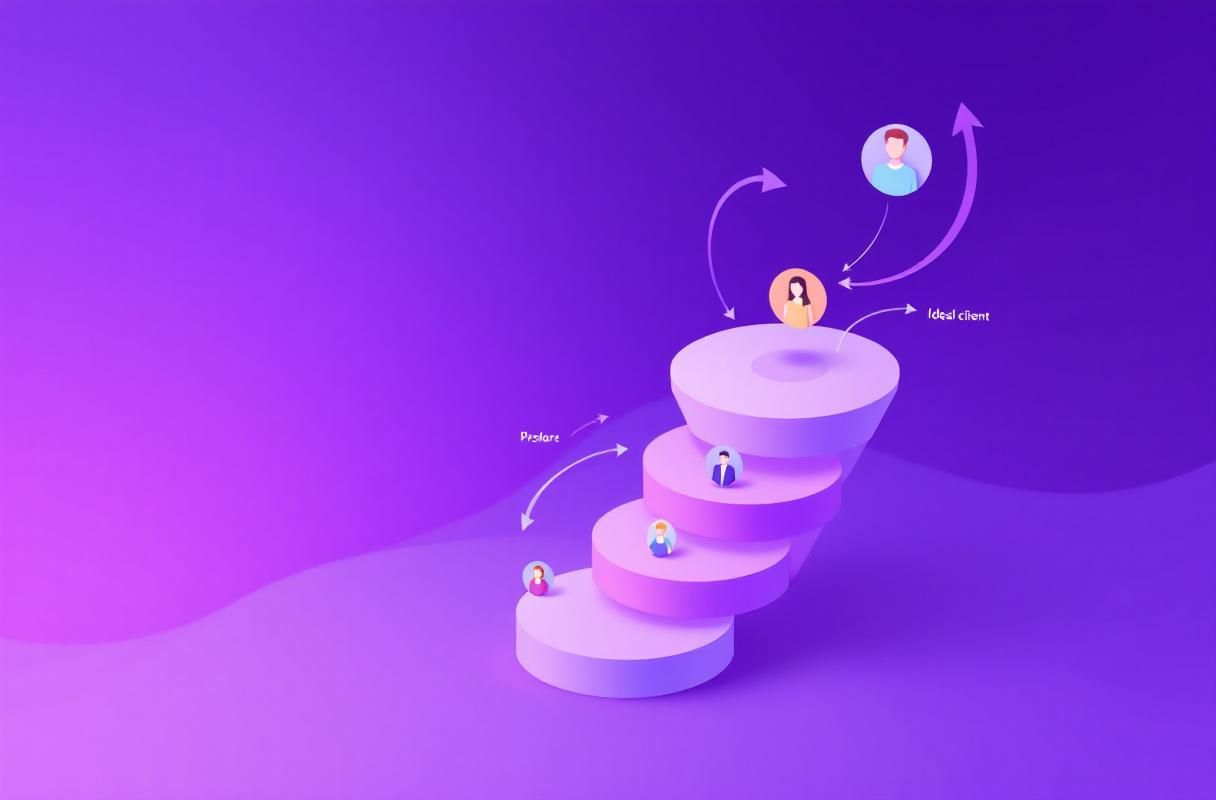
According to Cleverly's LinkedIn lead generation strategies, researching similar LinkedIn groups helps you understand your ideal customer's profile and evaluate industry trends.
Group Selection Criteria
| Criteria | Why It Matters | What to Look For |
|---|---|---|
| Member count | Larger = more prospects | 10,000+ members ideal |
| Activity level | Active = engaged audience | Recent posts with comments |
| Relevance | Aligned = qualified leads | Matches your ICP industry |
| Moderation | Quality = better signal | Active admins, no spam |
| Member quality | Decision-makers = value | Check member titles |
Types of Groups to Join
According to 310 Creative's LinkedIn strategies:
- Industry groups: Your target customers' professional communities
- Role-based groups: CFOs, Marketing Directors, Sales Leaders
- Interest groups: Sales Best Practices, B2B Marketing, etc.
- Location groups: Regional business communities
- Association groups: Professional organizations
Strategic approach: Join groups where your ideal customers congregate, not groups for your peers.
The Group Engagement Strategy
According to Leadspicker's LinkedIn lead strategies, engagement through conversations is key—especially when members ask questions and you have the answer.
The Value-First Framework
According to Growth Mak's B2B guide, LinkedIn Group Engagement involves providing value in niche groups before connecting:
- Observe first: Understand the group's culture and common questions
- Answer questions: Provide genuinely helpful responses to member queries
- Share insights: Post valuable content (not promotional)
- Build relationships: Engage with the same members consistently
- Connect naturally: Move to direct conversation when appropriate
What to Post in Groups
| Content Type | Purpose | Example |
|---|---|---|
| Answers to questions | Demonstrate expertise | Detailed solutions to member problems |
| Industry insights | Build authority | Data, trends, analysis |
| Thought-provoking questions | Spark conversation | "How are you handling X challenge?" |
| Resource sharing | Provide value | Helpful tools, templates (not your product) |
What NOT to Do
According to Donemaker's 2026 trends, LinkedIn users have become wary of automated and impersonal outreach:
- Don't pitch immediately: Build relationships first
- Don't spam promotions: Value before offers
- Don't post and disappear: Engage with responses
- Don't copy-paste: Personalize every interaction
- Don't ignore group rules: Respect moderation guidelines
Lead Generation From LinkedIn Groups
According to Evaboot's lead generation guide, the most interesting thing about LinkedIn Groups is the ability to extract members and use their membership as an icebreaker.
Strategy 1: Member Extraction and Outreach
According to Evaboot's guide, group membership signals buying intent:
- If someone joins a "Facebook Ads" group, they're interested in Facebook advertising
- If someone joins "Sales Best Practices," they likely care about sales improvement
- If someone joins "SaaS Growth," they're probably in the SaaS industry
The approach:
- Extract group members to a spreadsheet
- Identify members matching your ICP
- Use group membership as conversation starter
- Reach out with relevant, personalized messages
Strategy 2: Direct Messaging Advantage
According to Skylead's LinkedIn lead generation guide, LinkedIn sometimes allows messaging fellow group members even without a connection. Additionally, connection requests from same-group members may bypass the weekly limit requirements.
Benefits:
- Shared group membership is a natural icebreaker
- Messages feel more relevant when referencing the group
- Higher response rates due to common interest
- Can reach prospects you couldn't otherwise message
Strategy 3: Authority Building
According to Cognism's LinkedIn lead generation guide, becoming an active member of LinkedIn Groups builds authority and accelerates networking ROI:
- Consistent presence: Show up regularly in group discussions
- Helpful responses: Be known as the person who solves problems
- Thought leadership: Share unique insights and perspectives
- Relationship building: Develop genuine connections over time
- Inbound leads: Let your authority attract interested prospects
Strategy 4: Research and ICP Development
According to Cleverly's strategies, groups help you understand your ideal customer:
- See what questions they ask most often
- Understand their biggest challenges
- Learn the language they use
- Identify common pain points
- Discover complementary interests
This research improves all your marketing—not just group engagement.
Running Your Own LinkedIn Group
While joining groups is valuable, running your own group offers unique advantages:
Benefits of Group Ownership
| Benefit | Impact |
|---|---|
| Position as authority | You're the community leader |
| Direct access to members | Message and engage freely |
| Content control | Set the conversation topics |
| Member insights | See who joins and engages |
| Lead capture | New members reveal themselves |
Group Management Best Practices
According to Reply.io's LinkedIn guide:
- Clear focus: Define a specific topic or industry
- Active moderation: Remove spam, approve quality content
- Regular engagement: Post weekly discussion prompts
- Member recognition: Highlight active contributors
- Value delivery: Make membership genuinely worthwhile
Measuring Group Success
Engagement Metrics
| Metric | Benchmark | What It Indicates |
|---|---|---|
| Post engagement | 5-10% of viewers | Content resonance |
| Comment quality | Substantive responses | Community health |
| Connection acceptance | 50%+ from group members | Relationship building |
| Message responses | 30%+ | Interest and relevance |
| Profile views | Weekly increase | Growing visibility |
Lead Generation Metrics
| Metric | Target | Tracking Method |
|---|---|---|
| Conversations started | 5-10/week | Manual tracking |
| Meetings booked | 2-4/month | CRM |
| Pipeline influenced | Track by source | Attribution |
| Close rate from group leads | Compare to other sources | Sales data |
LinkedIn Groups vs. Other Channels
According to Column Content's LinkedIn statistics, here's how groups compare:
| Channel | Reach | Targeting | Relationship Building |
|---|---|---|---|
| Main Feed | Broad | Algorithm-dependent | Limited |
| LinkedIn Groups | Niche | Self-selected | Strong |
| LinkedIn Ads | Precise | Paid | Minimal |
| InMail | Direct | Paid | Transaction-focused |
| Sales Navigator | Targeted | Paid | Research-focused |
Groups advantage: Self-selected communities of engaged professionals who share common interests and challenges.
How ConnectSafely.ai Enhances Group Strategy
ConnectSafely.ai helps you maximize LinkedIn Groups without the time investment of manual engagement:
- AI-powered comments that add genuine value to group discussions
- Member research to identify high-potential prospects
- Relationship tracking across multiple groups
- Engagement scheduling to maintain consistent presence
Starting from USD $10/month, ConnectSafely.ai makes professional group engagement sustainable alongside your other responsibilities.
Getting Started: Your Group Action Plan
Week 1: Research and Join
- Identify 5-10 groups where your ideal customers congregate
- Request to join and complete any required questions
- Observe group culture and common discussion topics
Week 2: Begin Engaging
- Answer at least one question per group daily
- Share one valuable insight per group weekly
- Start noting active members who match your ICP
Week 3: Build Relationships
- Connect with engaged members who seem like good fits
- Continue daily engagement routine
- Begin extracting promising members for outreach
Week 4: Outreach
- Reach out to qualified members with personalized messages
- Reference shared group membership and common interests
- Track responses and refine approach
Start your free ConnectSafely.ai trial to accelerate your LinkedIn Groups strategy.
Frequently Asked Questions
Are LinkedIn Groups still effective for lead generation in 2026?
Yes, LinkedIn Groups are experiencing a revival in 2026. According to Cognism's statistics, groups provide untapped opportunities for niche networking as the main feed becomes increasingly algorithm-driven. With 3.1 million groups and 100 million monthly active users, groups concentrate highly-targeted prospects who've self-selected into communities matching their interests.
How do I find the best LinkedIn Groups for my industry?
Search LinkedIn for groups related to your target customers' industries, roles, and interests—not your own profession. According to Cleverly's guide, look for groups with 10,000+ members, recent activity with comments, and quality moderation. Join groups where your ideal customers congregate, not groups for your peers.
Can I message LinkedIn Group members without being connected?
In many cases, yes. According to Skylead's research, LinkedIn sometimes allows messaging fellow group members even without a connection. Additionally, connection requests from same-group members may bypass the weekly limit requirements, making groups a powerful way to reach prospects you couldn't otherwise access.
What should I post in LinkedIn Groups?
Focus on value-first content: answer member questions, share industry insights, and post thought-provoking discussion starters. According to Growth Mak's guide, provide value before connecting with members. Avoid promotional content—groups penalize self-promotion and members will tune you out.
Should I create my own LinkedIn Group or join existing ones?
Both strategies have merit. Joining existing groups gives you immediate access to established communities. Creating your own group positions you as an authority and gives you direct access to members. According to Reply.io's guide, running a successful group requires regular engagement—weekly discussion prompts and active moderation—so only start one if you can commit to consistent management.
Ready to turn LinkedIn Groups into your lead generation engine? Start your free trial and see the difference authentic community engagement makes.
The Dark Side of LinkedIn Groups: Dealing with Trolls, Spammers, and Overly Promotional Members
As LinkedIn Groups continue to grow in popularity, they also attract unwanted attention from trolls, spammers, and overly promotional members. These individuals can quickly derail even the most well-intentioned group, causing frustration for moderators and members alike. It's essential to have a strategy in place for dealing with these types of members, as ignoring them can lead to a decline in group engagement and credibility. One approach is to establish clear community guidelines and enforce them consistently. This can include rules around self-promotion, spamming, and respectful dialogue. Moderators should also be proactive in monitoring group activity, addressing issues promptly, and taking swift action against offenders. However, it's also important to recognize that not all promotional activity is bad. In fact, some groups thrive on sharing resources and expertise, and members may appreciate relevant promotions. The key is to strike a balance between allowing valuable sharing and preventing spamming. By being aware of the potential pitfalls and taking steps to mitigate them, group owners can create a positive and productive community that attracts and retains high-quality members.
Myth vs Reality: The Truth About LinkedIn Group Size and Engagement
There's a common misconception that larger LinkedIn Groups are always better than smaller ones. However, this isn't necessarily true. While having a large group can provide a sense of credibility and prestige, it's not a guarantee of engagement or quality interactions. In fact, some of the most valuable groups on LinkedIn are small, niche communities with highly engaged members. These groups often have a stronger sense of community and camaraderie, with members who are genuinely interested in sharing knowledge and expertise. On the other hand, large groups can sometimes feel overwhelming or spammy, with members competing for attention and promoting their own interests. Ultimately, the size of a LinkedIn Group is less important than its quality and engagement. Group owners should focus on building a community that is relevant, valuable, and engaging, rather than simply trying to attract a large number of members. By doing so, they can create a loyal and active community that drives real results, whether that's through lead generation, networking, or thought leadership.
Advanced LinkedIn Group Strategy: Using Subgroups and Subcommunities to Drive Engagement
For experienced LinkedIn Group owners, one advanced strategy for driving engagement is to create subgroups or subcommunities within their main group. This can be done by creating separate threads or discussions on specific topics, or by using LinkedIn's subgroup feature to create smaller, more focused communities. By doing so, group owners can provide a more tailored experience for their members, allowing them to dive deeper into topics that interest them. Subgroups can also help to reduce noise and increase signal, making it easier for members to find and engage with relevant content. Additionally, subgroups can provide a sense of exclusivity and belonging, as members feel like they're part of a smaller, more elite community. To implement this strategy effectively, group owners should start by identifying areas of interest within their main group, and then create subgroups or subcommunities around those topics. They should also establish clear guidelines and moderation practices for each subgroup, to ensure that they remain focused and productive.
The Role of LinkedIn Group Owners in Facilitating Meaningful Conversations
As a LinkedIn Group owner, one of the most important roles you play is facilitating meaningful conversations among your members. This involves more than just posting updates or responding to comments – it requires a deep understanding of your community and its needs. To facilitate meaningful conversations, group owners should start by asking open-ended questions that encourage discussion and debate. They should also be proactive in responding to comments and messages, providing guidance and support where needed. Additionally, group owners should be willing to share their own expertise and experiences, providing valuable insights and perspectives that can help to inform and educate their members. However, it's also important to recognize that facilitating meaningful conversations is not a one-way process. Group owners should be willing to listen and learn from their members, incorporating their feedback and ideas into the group's content and strategy. By doing so, they can create a truly collaborative and engaging community that drives real results.
Navigating the Gray Areas of LinkedIn Group Participation: When to Engage, When to Hold Back
As a LinkedIn Group participant, it's not always clear when to engage and when to hold back. On one hand, participating in groups can help to establish your thought leadership and build relationships with potential clients or partners. On the other hand, over-participating or self-promoting can come across as spammy or insincere. To navigate these gray areas, it's essential to have a clear understanding of your goals and motivations for participating in LinkedIn Groups. Are you looking to build your personal brand, generate leads, or simply learn from others? Once you have a clear sense of your objectives, you can develop a participation strategy that aligns with those goals. This may involve commenting on certain types of posts, sharing your own content or expertise, or engaging in discussions on specific topics. However, it's also important to be mindful of the group's dynamics and culture, and to hold back when necessary. This may mean avoiding sensitive or controversial topics, or refraining from self-promotion in groups where it's not welcome. By being thoughtful and intentional in your participation, you can build trust and credibility with your fellow group members, and achieve your goals without coming across as insincere or spammy.
See How It Works
Watch how people get more LinkedIn leads with ConnectSafely




Related Articles