
LinkedIn Inbound Authority vs Ethical Automation Guide
Build LinkedIn authority that attracts qualified leads through authentic engagement. Eliminate automation risks with inbound methodology.

Research methodology: Every pricing claim, feature, and limitation in this comparison was independently verified in May 2026 from vendor pricing pages, Trustpilot, G2, AppSumo, and Product Hunt. Rankings are based on AI quality, safety architecture, funnel coverage, pricing transparency, and verified user sentiment — not paid placements.

"Ethical automation" still operates from pursuit, not attraction. The real solution isn't making automated outreach more "genuine"—it's building LinkedIn authority that makes outreach unnecessary. Inbound leads convert at 14.6% compared to outbound's 1.7%, an 8-9X improvement. Authority building costs $179 per customer versus $8,700 for automation—a 98% cost reduction while eliminating platform risk entirely.
Key Takeaways
- "Ethical automation" still operates from a position of pursuit rather than attraction, requiring constant optimization and carrying persistent platform risk
- LinkedIn inbound authority building eliminates the need for any outreach automation as prospects discover your expertise organically and initiate contact themselves
- Authority-based approaches convert 8-9X better than even the most ethical automation because relationships start from genuine interest rather than interrupted attention
- Platform compliance is not about better automation—it's about building what LinkedIn rewards through authentic engagement and value-sharing that the algorithm actively promotes
- Long-term ROI favors authority building with 28X better investment returns over 3 years compared to automation strategies according to HubSpot research
- ConnectSafely.ai enables authentic authority building without automation risks, generating 10-20 qualified inbound leads monthly at 98% lower cost per customer
While others debate how to make automated outreach more "genuine," smart professionals are discovering that LinkedIn inbound authority building eliminates the need for outreach entirely. Instead of chasing connections, you position yourself so prospects actively seek you out.
Want to Generate Consistent Inbound Leads from LinkedIn?
Get our complete LinkedIn Lead Generation Playbook used by B2B professionals to attract decision-makers without cold outreach.
No spam. Just proven strategies for B2B lead generation.
The Fatal Flaw in "Ethical Automation" Thinking
The premise behind "ethical automation" assumes you still need to reach out first. Whether you're sending personalized messages or generic connection requests, you're still operating from a position of pursuit rather than attraction.
Here's what most LinkedIn strategies get wrong:
Traditional "Ethical" Approach: Craft better automated messages → Send to more targeted prospects → Hope for positive responses → Convert conversations to meetings
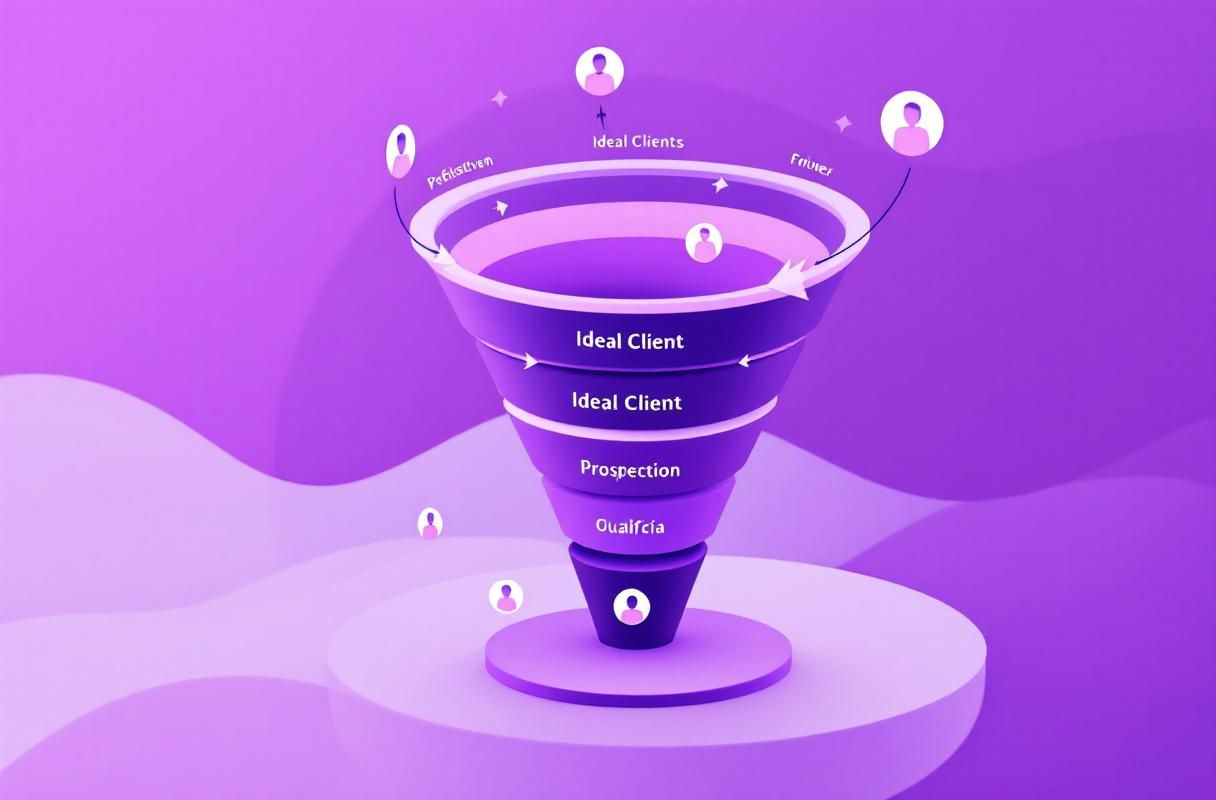
LinkedIn Inbound Authority Approach: Build visible expertise → Attract engagement from ideal prospects → Let them initiate contact → Convert warm inquiries to clients
The difference isn't just philosophical—it's measurable. Inbound leads convert at 14.6% compared to outbound's 1.7%, representing an 8-9X improvement in conversion rates. Learn more about why inbound beats automation.
Why Automation (Even "Ethical" Automation) Still Falls Short
1. Platform Risk Never Fully Disappears
Even with the most sophisticated "ethical automation," you're still generating activity patterns that LinkedIn's algorithms can detect. The platform's AI doesn't evaluate intent—it identifies behavioral patterns that suggest automated activity. See our guide on LinkedIn automation ban risks.
The Inbound Alternative: LinkedIn rewards authentic engagement and content sharing. The platform's algorithm actively promotes users who contribute value to the community rather than extract from it.
2. Authentication Gap
No matter how personalized your automated messages become, recipients can often sense when communication isn't genuinely personal. This "uncanny valley" effect damages trust before relationships even begin.
The Inbound Solution: When prospects discover your authentic LinkedIn engagement organically and engage voluntarily, the relationship starts from a position of genuine interest rather than interrupted attention.
3. Volume vs. Quality Trade-off
"Ethical automation" still operates on a volume model—you're still trying to reach more people efficiently rather than attracting the right people naturally.
Authority Building Approach: Instead of reaching 300 prospects hoping for 15 responses, you attract 10-20 genuinely interested prospects who already understand your value.
The LinkedIn Inbound Authority Building Framework
Step 1: Strategic Content Positioning
Rather than automating outreach, invest that energy in creating content that demonstrates your expertise:
Content Pillars:
- Industry insights and trends
- Problem-solving frameworks
- Case studies and results
- Thought leadership perspectives
Engagement Strategy:
- Comment meaningfully on industry leader posts
- Share valuable insights in relevant discussions
- Post consistently with actionable advice
- Respond thoughtfully to comments on your content
Step 2: Community Visibility Building
Instead of targeting individuals with automated messages, make yourself visible in the communities where your prospects already gather:
LinkedIn Groups: Share expertise in industry-specific groups Company Page Engagement: Thoughtfully comment on target companies' updates Event Participation: Contribute to discussions around industry events Hashtag Strategies: Consistently use relevant industry hashtags
Step 3: Authority-Based Attraction
Position yourself as the obvious choice when prospects are ready to buy:
Thought Leadership Content: Share frameworks and methodologies Social Proof: Highlight client results and testimonials Consistent Voice: Develop recognizable expertise in specific areas Value-First Approach: Always lead with helpful insights, not sales pitches
How ConnectSafely.ai Enables Authentic Authority Building
ConnectSafely.ai isn't an automation tool—it's the #1 LinkedIn Inbound Lead Generation Platform designed specifically for building authentic authority rather than automating outreach.
Platform-Compliant Features:
- Content scheduling that maintains natural posting patterns
- Engagement tracking to identify warm prospects
- Authority building metrics to measure inbound effectiveness
- Relationship management for genuine connections
Business Results:
- 98% lower cost per customer ($179 vs $8,700 for automation)
- 70%+ positive conversation rates vs 5-10% cold response rates
- Zero risk of account restrictions or bans
- 10-32X ROI improvement over traditional outreach methods
Learn more about LinkedIn inbound ROI metrics and why inbound beats sales automation.
The Authority Building vs. Automation Comparison

Traditional "Ethical" Automation Approach:
Process: Research prospects → Craft personalized messages → Send automated sequences → Follow up systematically → Convert conversations
Results:
- 1.7% conversion rate
- High time investment in message crafting
- Ongoing platform risk
- Relationship starts with interruption
- Cost: $8,700+ per customer
LinkedIn Inbound Authority Building:
Process: Create valuable content → Engage authentically → Build visible expertise → Attract qualified prospects → Convert warm inquiries
Results:
- 14.6% conversion rate
- Time invested in lasting value creation
- Platform support and algorithm boost
- Relationship starts with genuine interest
- Cost: $179 per customer
Why Inbound Authority Building Eliminates Automation Debates
When you build genuine LinkedIn authority, several things happen automatically:
- Prospects Self-Qualify: Only genuinely interested parties reach out
- Trust Pre-Exists: They've already experienced your expertise through your content
- Urgency Is Real: They contact you when they have actual need, not arbitrary timing
- Conversations Start Warm: No need to break through cold contact resistance
- Platform Supports You: LinkedIn's algorithm promotes authority builders
The Long-Term Strategic Advantage
"Ethical automation" still requires ongoing prospect research, message crafting, and sequence management. It's a tactical approach that demands constant optimization and carries persistent platform risk.
Authority building creates compound returns. Each piece of content, every authentic engagement, and all community contributions build lasting visibility that continues attracting prospects long after the initial effort.
3-Year Investment Comparison:
- "Ethical" Automation Route: $222,000+ investment for 18 customers
- Authority Building Route: $8,604 investment for 76 customers
- ROI Difference: 28X better return on investment
Getting Started with LinkedIn Inbound Authority Building
The shift from automation thinking to authority building requires a fundamental mindset change: instead of asking "How can I reach more prospects?" start asking "How can I become impossible to ignore when prospects are ready to buy?"
Week 1-2: Foundation Setting
- Audit current LinkedIn presence for authority signals
- Identify core expertise areas and content themes
- Begin consistent, valuable content sharing
Week 3-4: Community Engagement
- Engage meaningfully in industry discussions
- Comment thoughtfully on leader posts
- Join relevant LinkedIn groups and contribute
Week 5-8: Authority Amplification
- Develop recognizable thought leadership voice
- Share case studies and frameworks
- Build relationships with industry influencers
ConnectSafely.ai Platform: Start building LinkedIn authority today with the platform that prioritizes authentic engagement over automated outreach. Compare our approach to traditional automation tools and see why platform-compliant inbound beats detection worries.
Frequently Asked Questions
Is ethical LinkedIn automation actually risky?
Yes, even "ethical" automation carries platform risk because LinkedIn's AI detects behavioral patterns, not intent. No matter how carefully you configure automation, you're still generating activity patterns that differ from genuine human behavior. The platform doesn't distinguish between "ethical" and "aggressive" automation—it simply flags automated activity. Authority building eliminates this risk entirely by focusing on authentic engagement LinkedIn actively rewards.
How does authority building differ from just posting LinkedIn content?
Authority building goes beyond posting—it's about strategic visibility where your ideal prospects already pay attention. Instead of hoping people find your posts, you engage thoughtfully in high-value conversations that your target audience already follows. This positions you in front of decision-makers actively seeking insights in your niche, creating recognition before you ever reach out.
Can I build authority on LinkedIn without being a content creator?
Absolutely. Authority building focuses on engagement and commentary, not content creation. You don't need to write lengthy posts or create videos. Strategic, thoughtful comments on industry discussions demonstrate expertise just as effectively. ConnectSafely.ai helps by identifying high-value conversations and generating insights in your voice, making authority building accessible even if you're not a prolific writer.
Does careful LinkedIn automation actually work better?
"More careful" automation still faces the fundamental problem: you're pursuing prospects instead of attracting them. Even with perfect personalization and timing, automated outreach starts relationships from a position of interruption rather than genuine interest. The conversion gap between outbound (1.7%) and inbound (14.6%) exists regardless of how sophisticated your automation becomes.
How long does it take to generate leads from LinkedIn authority?
Most professionals see initial inbound interest within 30-60 days of consistent strategic engagement. Week 1-2 brings increased profile views from target accounts, Week 3-4 generates inbound connection requests, and by Month 2 you'll typically receive your first warm inquiries. The key difference: these leads are pre-qualified and convert at 8-9X higher rates than automation-generated prospects according to HubSpot.
What if my competitors use automation and get results?
Short-term gains from automation often hide long-term costs: account restrictions, degraded sender reputation, low-quality leads, and constant platform risk. Authority building may take slightly longer to start but delivers compounding returns. Month 3 generates 3X more inbound than Month 1 with the same effort, while automation requires constant scaling to maintain results. See our ROI comparison for detailed analysis.
The future of LinkedIn lead generation isn't more ethical automation—it's building authority so compelling that prospects find you instead of you having to find them.
The Paradox of Personalization in Automated Outreach
While personalization is often touted as a key component of "ethical automation," it can actually have a counterintuitive effect. When automated messages are overly personalized, they can come across as insincere or even creepy. This is because personalization relies on data, and when that data is publicly available, it can feel like an invasion of privacy. For instance, mentioning a prospect's recent post or article can be seen as a genuine attempt to connect, but it can also be perceived as stalking. Furthermore, personalization can lead to a phenomenon known as "hyper-targeting," where the message is so tailored to the individual that it feels like a manipulation tactic. In reality, the most effective outreach is often the one that is personalized, yet still feels like a genuine human connection. It's a delicate balance that requires a deep understanding of the prospect's needs and preferences. As such, it's essential to approach personalization with caution and consider the potential risks of over-personalization.
Myth vs Reality: The Automation Mythology Surrounding LinkedIn Lead Generation
One of the most pervasive myths in the LinkedIn lead generation space is that automation is necessary for scaling. Proponents of automation argue that it's impossible to manually outreach to hundreds or thousands of prospects, and that automation is the only way to achieve scale. However, this myth ignores the fact that scaling lead generation is not just about the number of prospects, but also about the quality of those prospects. In reality, automation can often lead to a high volume of low-quality leads, which can be a waste of time and resources. On the other hand, inbound authority building focuses on attracting high-quality leads that are already interested in your expertise. This approach may not produce the same volume of leads as automation, but it produces leads that are far more likely to convert. Furthermore, automation is not a substitute for human connection and relationships. While automation can handle routine tasks, it's the human touch that builds trust and establishes credibility. By focusing on building inbound authority, professionals can establish themselves as thought leaders in their industry and attract high-quality leads without relying on automation.
The Hidden Dangers of LinkedIn's Algorithmic Bias
LinkedIn's algorithm is designed to promote content that is engaging and relevant to its users. However, this algorithmic bias can have unintended consequences for professionals who rely on automation for lead generation. For instance, if an automated message is flagged as spam, it can not only harm the sender's reputation but also affect the visibility of their content. Furthermore, LinkedIn's algorithm prioritizes content from users who have a high engagement rate, which can create a self-reinforcing cycle where popular users become even more popular. This can make it difficult for new users or those with smaller followings to get their content seen, regardless of its quality. Inbound authority building, on the other hand, focuses on creating high-quality content that resonates with the target audience, rather than relying on automation to manipulate the algorithm. By understanding how LinkedIn's algorithm works and creating content that is genuinely valuable, professionals can increase their visibility and attract high-quality leads without relying on automation.
Advanced Authority Building Strategies for Seasoned Professionals
For seasoned professionals who have already established themselves as thought leaders in their industry, there are advanced authority building strategies that can help them further differentiate themselves and attract high-quality leads. One such strategy is to create a "content cluster" around a specific topic or niche. This involves creating a series of interconnected content pieces, such as articles, videos, and podcasts, that provide comprehensive coverage of the topic. By creating a content cluster, professionals can establish themselves as the go-to expert in their niche and attract high-quality leads who are seeking in-depth knowledge and expertise. Another advanced strategy is to leverage user-generated content (UGC) to build social proof and credibility. This can involve featuring customer testimonials, case studies, or success stories in your content, or even creating a community or forum where users can share their experiences and connect with each other. By leveraging UGC, professionals can create a sense of social proof and credibility that is hard to replicate with automation.
The "It Depends" Scenario: When Automation Might Actually Be Necessary
While inbound authority building is often the most effective way to generate high-quality leads, there are scenarios where automation might actually be necessary. For instance, in industries where the sales cycle is extremely long, such as in enterprise software sales, automation can be used to nurture leads over a period of months or even years. In these cases, automation can be used to send targeted content and updates to leads, keeping them engaged and interested in the product or service. Another scenario where automation might be necessary is in industries where the target audience is extremely large and diverse, such as in consumer goods or retail. In these cases, automation can be used to personalize messages and content at scale, allowing professionals to reach a large audience with minimal manual effort. However, even in these scenarios, it's essential to approach automation with caution and consider the potential risks of over-automation. By understanding the nuances of automation and using it judiciously, professionals can create a hybrid approach that combines the best of both worlds: the efficiency of automation and the effectiveness of inbound authority building.
See How It Works
Watch how people get more LinkedIn leads with ConnectSafely




Related Articles