Personalized LinkedIn Messages That Get Replies
Learn how to write personalized LinkedIn messages that stand out. Templates, examples, and strategies for higher response rates in 2026.

The average LinkedIn inbox is flooded with generic, copy-paste messages that all sound the same. "I came across your profile and thought we should connect" has become white noise.
Personalized LinkedIn messages cut through that noise. They get 50%+ higher response rates because they show you've done your homework and genuinely care about connecting—not just selling.
This guide shows you exactly how to personalize every LinkedIn message for maximum impact.
Want to Generate Consistent Inbound Leads from LinkedIn?
Get our complete LinkedIn Lead Generation Playbook used by B2B professionals to attract decision-makers without cold outreach.
No spam. Just proven strategies for B2B lead generation.
Key Takeaways
- Personalized messages see 50%+ higher response rates than generic templates
- True personalization requires research: 30 seconds on their profile can double your response rate
- The best personalization feels natural, not like you're trying too hard
- Personalization at scale isn't automation—it's systematized research
Why Personalized LinkedIn Messages Matter
According to LinkedIn's data, personalized InMails receive 15% higher response rates than generic ones. For regular messages, the difference is even more pronounced—up to 50% higher.
The Psychology of Personalization
When someone reads a personalized message, their brain registers:
- "This person took time to learn about me"
- "This isn't a mass message"
- "I should reciprocate the effort"
Generic messages trigger the opposite: delete and move on.
Generic vs Personalized: Real Examples
Generic (5% response rate):
"Hi John, I came across your profile and was impressed by your experience. I'd love to connect and explore potential synergies."
Personalized (35% response rate):
"Hi John, Your post about reducing customer churn through better onboarding really hit home—we just implemented a similar approach and saw 23% improvement. Would love to compare notes!"
The second message mentions something specific, shows genuine engagement, and offers reciprocal value.
The 5 Elements of Personalized LinkedIn Messages
Element 1: Their Name (Obviously, But...)
Using someone's name is baseline personalization. But pay attention to:
- Spelling: "Bryan" vs "Brian" matters
- Formality: Use what they use (John vs Jonathan)
- Nicknames: If their profile says "Mike," don't write "Michael"
Element 2: Something Specific About Them
This is where real personalization happens. Find one of these:
| Personalization Type | Where to Find It | Example |
|---|---|---|
| Recent post | Activity section | "Your post about X resonated..." |
| Company news | News search, their company page | "Congrats on the recent funding..." |
| Career milestone | Experience section | "I saw you recently moved to VP..." |
| Shared connection | Mutual connections | "I noticed we both know Sarah..." |
| Shared interest | Featured section, about | "Fellow marathon runner here..." |
| Published content | Articles, featured | "Your article on X was insightful..." |
Element 3: Why You're Reaching Out (Specifically)
Generic: "I'd love to connect." Personalized: "I'd love to connect because I'm researching B2B onboarding strategies and your recent post showed exactly the framework I've been looking for."
The "why" should be:
- Specific to them, not generic to your goals
- Relevant to something they've demonstrated interest in
- Clear and concise (one sentence)
Element 4: Value You Can Offer
Personalization isn't just about what you know about them—it's about what you can offer them specifically.
| Their Situation | Your Personalized Value |
|---|---|
| Just raised funding | Insights on scaling challenges |
| Posted about a challenge | Resource that addresses it |
| Changed roles | Congratulations + relevant insight |
| Commented on topic | Deeper conversation on it |
Element 5: A Personalized CTA
Generic: "Let me know if you'd like to chat." Personalized: "Would you be open to a 15-minute call to discuss how you approached the onboarding redesign?"
Your call-to-action should relate directly to the personalization you've done.
Personalized Message Templates
Template 1: Content Engagement Personalization
Hi [Name],

Your recent post about [Topic] really caught my attention—
particularly your point about [Specific Insight].

I've been working on [Related Challenge] and your approach
to [Specific Aspect] is exactly what I was missing.

Would you be open to a quick chat about how you implemented
[Specific Approach]? I'd love to learn more about the results
you saw.

[Your Name]
Template 2: Career Milestone Personalization
Hi [Name],

Congrats on [Recent Promotion/New Role/Achievement]! Moving
from [Previous] to [Current] is a big step.

I'm curious about how you're approaching [Challenge common to
their new role]. We're tackling something similar at [Company]
and I'd value your perspective.

Would you have 15 minutes sometime this week?

[Your Name]
Template 3: Company News Personalization
Hi [Name],

Just saw the news about [Company Achievement/Funding/Launch]—
that's impressive!

I imagine [Challenge that typically follows this news] is
becoming a priority. I recently wrote about [Related Topic]
that might be helpful: [Link]

No pitch—just thought it might be useful given what's ahead.
Let me know what you think!

[Your Name]
Template 4: Mutual Connection Personalization
Hi [Name],

[Mutual Connection] speaks so highly of your work in [Area].
When they mentioned you're focused on [Challenge], I knew
we should connect.

We're working on similar challenges at [Company] and I'd
love to compare approaches.

Would you be open to a quick conversation?

[Your Name]
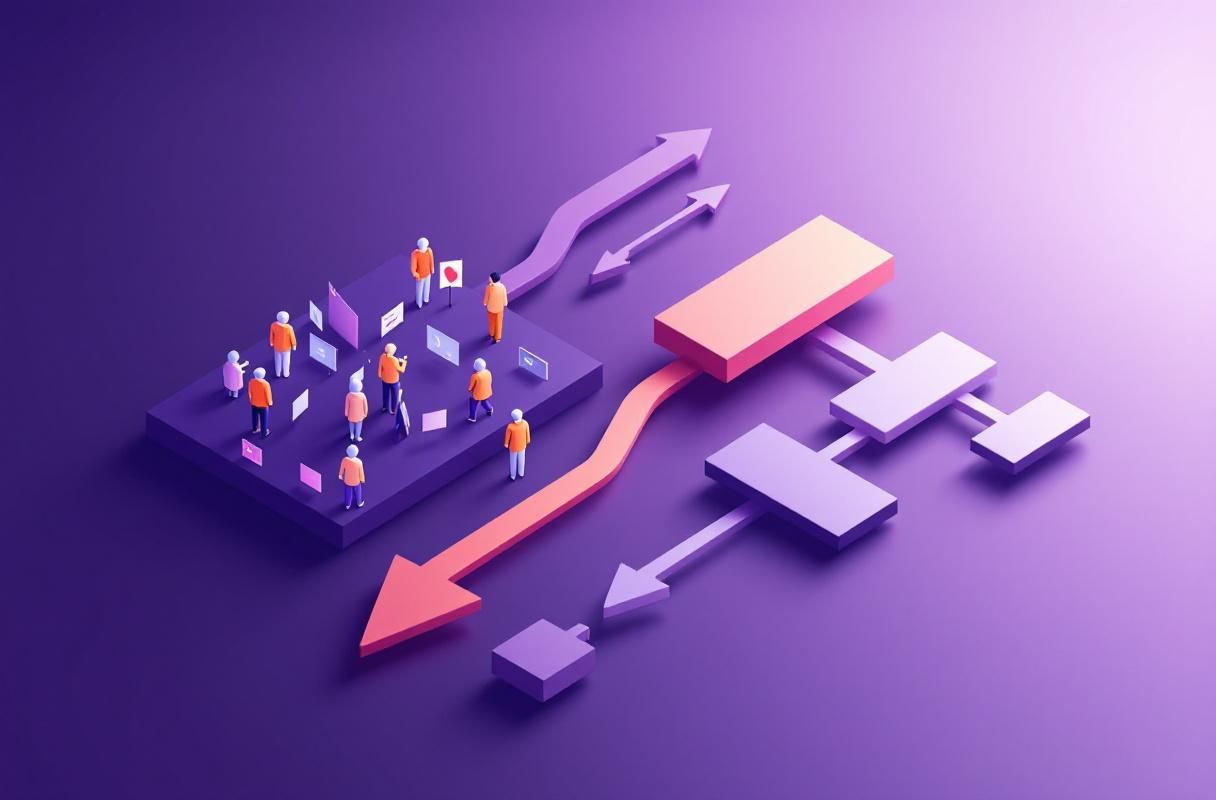
How to Research for Personalization (In 60 Seconds)
You don't need 30 minutes to personalize a message. Here's a 60-second research flow:
0-20 Seconds: Quick Profile Scan
- Headline: What do they do?
- Current role: How long have they been there?
- About section: Any unique positioning?
20-40 Seconds: Activity Check
- Recent posts: What are they talking about?
- Comments: What content do they engage with?
- Articles: Have they published anything?
40-60 Seconds: Context Search
- Mutual connections: Anyone you can reference?
- Company news: Any recent announcements?
- Featured section: What are they showcasing?
The 60-second investment typically doubles your response rate.
Personalization Mistakes to Avoid
Mistake 1: Over-Personalization
Too much:
"Hi Sarah, I noticed you went to Stanford, worked at Google from 2015-2019, then moved to Microsoft, live in Seattle, have two kids based on your photos, and love hiking based on your cover image..."
This is creepy. Stick to professional, publicly-shared information.
Mistake 2: Fake Personalization
Bad:
"I was impressed by your profile..." (What specifically?) "I love what you're doing at [Company]..." (What specifically?)
If you can't name something specific, don't claim to be impressed by it.
Mistake 3: Mismatched Personalization
Bad:
"Loved your post about marketing automation! I'd like to sell you our HR software."
Personalization must connect to why you're reaching out.
Mistake 4: Outdated Personalization
Referencing their post from 6 months ago or their previous company shows you're using stale data, not genuine engagement.
Scaling Personalization Without Automation
The Batch Research Method
- Identify 20-30 prospects
- Spend 60 seconds on each, noting one personalization point
- Write messages in batches using your notes
- Send throughout the week
This takes 30-45 minutes and yields 20-30 highly personalized messages.
The Trigger-Based Method
Set up alerts for:
- Company news (Google Alerts)
- Job changes (Sales Navigator)
- Content posts (LinkedIn notifications)
Reach out when triggers occur—personalization is built into the timing.
The Ultimate Personalization: Inbound Lead Generation
Here's the truth about personalization: the most effective personalized outreach is when someone reaches out to you.
When prospects initiate contact based on your content, they've already personalized the conversation—they know who you are, what you do, and why they want to talk.
Outbound Personalization vs Inbound
| Factor | Personalized Outbound | Inbound (They Message You) |
|---|---|---|
| Response rate | 30-50% | 100% (they initiated) |
| Research time | 1-2 min/message | 0 (they did it) |
| Conversation quality | Good | Excellent |
| Close rate | 5-15% | 30-50% |
According to HubSpot, inbound leads convert at 14.6% vs 1.7% for outbound. Building authority that attracts inbound messages is the ultimate personalization strategy.
How ConnectSafely.ai Helps
ConnectSafely.ai helps you build the authority that generates personalized inbound outreach—prospects who already know your work and want to connect.
What We Offer
- Profile optimization: Attract the right prospects automatically
- Content strategy tools: Build authority that generates inbound interest
- Engagement analytics: See who's interested before they reach out
- Zero automation: 100% platform-compliant approach
Starting from USD $10/month, you get inbound leads that are already personalized—they found you.
Frequently Asked Questions
How do I personalize a LinkedIn connection request?
Reference something specific: a recent post, mutual connection, shared interest, or company news. Keep it under 300 characters. Example: "Hi [Name], Your post about [Topic] was insightful—especially [Specific Point]. Would love to connect and learn from your perspective!" See more templates.
What makes a LinkedIn message personalized?
True personalization includes: 1) Their name spelled correctly, 2) A specific reference to their content, company, or achievements, 3) A clear reason why you're reaching out to them specifically, 4) Value relevant to their situation, and 5) A CTA that connects to the personalization.
How long does it take to personalize a LinkedIn message?
Effective personalization takes 60-90 seconds per message. Spend 20 seconds scanning their profile, 20 seconds checking recent activity, and 20-30 seconds noting personalization points. This investment typically doubles or triples your response rate compared to generic messages.
Is personalized LinkedIn outreach better than automation?
Yes, significantly. Personalized messages see 50%+ higher response rates than automated, generic ones. However, the most effective approach is inbound lead generation—building authority so prospects reach out to you with already-personalized interest.
How do I scale personalized outreach?
Use the batch research method: research 20-30 prospects in one session (60 seconds each), note personalization points, then write messages in batches. This takes about 45 minutes for 25 highly personalized messages. Avoid automation tools that send fake "personalization."
Want prospects to personalize their outreach to you? Start your ConnectSafely.ai free trial and attract inbound leads who already know your work.
The Dark Side of Personalization: When It Backfires
Personalized LinkedIn messages can be a powerful tool for building connections and generating leads, but they can also backfire if not done thoughtfully. One common mistake is to come on too strong or seem overly aggressive in an attempt to personalize. For instance, mentioning a personal detail that's not publicly available or making a comment that's too flattering can raise red flags and lead to a negative response. It's essential to strike a balance between showing genuine interest and respecting people's boundaries. Another potential pitfall is personalizing messages based on outdated or incorrect information. If someone has changed jobs or industries, a message referencing their old role or company can come across as lazy or uninformed. To avoid these mistakes, it's crucial to stay up-to-date with your contacts' latest developments and tailor your messages accordingly. Furthermore, be mindful of cultural and individual differences in communication styles, as what may be perceived as friendly and personalized in one culture or community may be seen as intrusive or insincere in another.
Myth vs Reality: The "Spray and Pray" Approach to Personalization
There's a common misconception that personalization is about sending out highly customized messages to a large number of people, hoping that some of them will respond. This "spray and pray" approach may seem appealing, as it appears to combine the benefits of personalization with the efficiency of mass outreach. However, the reality is that this method often falls flat, as recipients can easily spot a template or a generic message with a few personalized details thrown in. True personalization requires a deep understanding of the individual, their needs, and their interests, which cannot be replicated through a one-size-fits-all approach. Moreover, the "spray and pray" method can damage your reputation and credibility, as people may view your messages as spam or, worse, report them as such. Instead, focus on building meaningful relationships with a smaller, carefully curated group of contacts, and invest the time and effort required to craft genuinely personalized messages that resonate with each individual.
Advanced Personalization Techniques: Using Data and Analytics
For experienced marketers and sales professionals, personalization can be taken to the next level by leveraging data and analytics. By analyzing a contact's engagement patterns, such as their likes, comments, and shares, you can gain insights into their interests and preferences. This information can be used to craft highly targeted messages that speak directly to their needs and concerns. Additionally, tools like LinkedIn's Sales Navigator or other CRM systems can provide valuable data on a contact's company, role, and industry, allowing you to tailor your messages to their specific context. However, it's essential to use these tools judiciously and avoid coming across as overly reliant on data or automation. The goal is to use data to inform and enhance your personalization efforts, not to replace the human touch altogether. By combining data-driven insights with a deep understanding of your contacts' needs and interests, you can create truly personalized messages that drive meaningful engagement and conversions.
Personalization in Different Industries and Contexts
While personalization is a universally effective strategy, its application can vary significantly across different industries and contexts. For instance, in highly regulated industries like finance or healthcare, personalization may need to be more subdued and formal, whereas in creative fields like marketing or design, a more playful and innovative approach may be more suitable. Similarly, the tone and style of personalization can differ depending on the stage of the relationship, with more formal and professional messages being appropriate for initial outreach and warmer, more conversational messages being suitable for established connections. Furthermore, cultural and linguistic differences can also impact the effectiveness of personalization, with certain phrases or expressions being more or less effective in different regions or communities. To navigate these complexities, it's essential to stay attuned to the specific needs and preferences of your contacts and adapt your personalization strategy accordingly.
The Human Factor: Why Personalization Ultimately Comes Down to Empathy and Understanding
Despite the importance of data, analytics, and technology in personalization, it's essential to remember that the ultimate goal is to connect with real people, not just profiles or email addresses. At its core, personalization is about showing empathy and understanding towards others, acknowledging their unique experiences, challenges, and motivations. By putting yourself in your contacts' shoes and trying to see things from their perspective, you can craft messages that resonate with them on a deeper level. This requires a willingness to listen, learn, and adapt, as well as a genuine interest in building meaningful relationships. While technology can facilitate personalization, it's the human factor that ultimately drives its success. By combining technical expertise with emotional intelligence and a deep understanding of human behavior, you can create personalized messages that not only drive engagement and conversions but also foster lasting connections and relationships.
See How It Works
Watch how people get more LinkedIn leads with ConnectSafely




Related Articles